
Top 10 Benefits of On Site Steel Fabrication

On site steel fabrication brings cutting, drilling, fitting, and assembly closer to the structure being built. That shift can reduce transport of oversized components and help crews respond to actual site conditions. A beam can be checked against its connection points before final work proceeds. A small mismatch may be easier to address nearby than after a finished section reaches the project. Practical gains depend on the work, though. Weather, limited space, equipment access, and inspection requirements can quickly complicate the plan.

For contractors and project owners, the potential benefits extend beyond convenience. On-site work may shorten handling routes, support faster coordination between trades, and reduce delays caused by off-site transport. It can also make certain adjustments more direct. But those advantages are not automatic. Accurate drawings, skilled fabricators, suitable lifting plans, clear quality checks, and disciplined site management remain essential. Noise, material storage, and restricted working areas deserve attention too. Sometimes, fabrication in a controlled workshop is the better choice.

This guide examines ten practical benefits of on site steel fabrication, from schedule flexibility to reduced handling, while noting where each benefit has limits. No verified source or quotation was supplied for a named industry expert, so an expert statement should not be invented. A sourced quotation can strengthen this introduction once its speaker and wording are confirmed. The aim here is a useful, balanced overview: what site fabrication can improve, what it cannot guarantee, and which project details deserve a closer look.
Top 10 Benefits of On Site Steel Fabrication

What On-Site Steel Fabrication Involves

What On-Site Steel Fabrication Involves

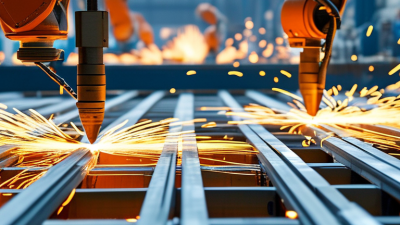
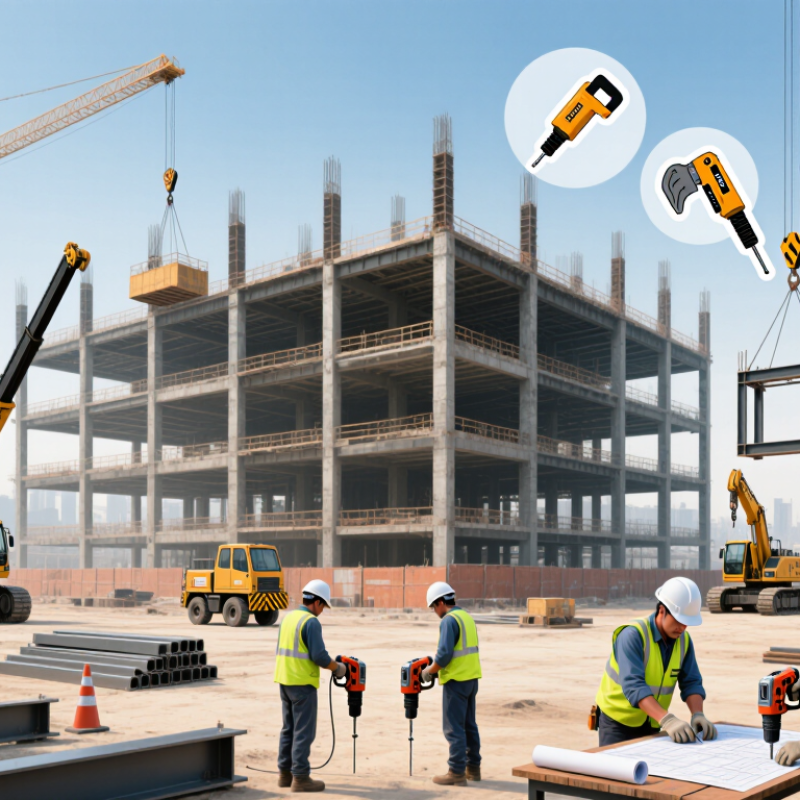
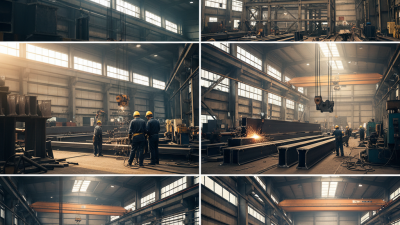
On-site steel fabrication brings cutting, drilling, fitting, and sometimes welding to the construction site. Instead of completing every operation in a distant workshop, crews prepare or adjust steel close to where it will be installed. The work follows approved drawings, measurements, and a fabrication schedule. Depending on the task, workers may use a portable saw, magnetic drill, welding equipment, and lifting gear. Access, power supply, weather, and member size all affect the setup.

Before cutting, the team checks material identification, dimensions, and connection details. Steel is marked and supported on stable trestles, then cut or drilled to suit the structure. Fitters test pieces in position before specified welded or bolted connections are completed. Supervisors check alignment and workmanship, while inspection records help track changes. Site conditions can disrupt tidy plans. A small measurement mismatch may require a plate to be recut, so clear communication matters. Details matter.

Tips: Keep drawings current and confirm critical dimensions before cutting. Store steel off the ground, protect cut edges, and plan lifting paths before moving long sections. Check weather and site access, too. Leave room for inspection; a rushed fit may look acceptable while hiding a problem.
How On-Site Fabrication Fits into the Construction Process

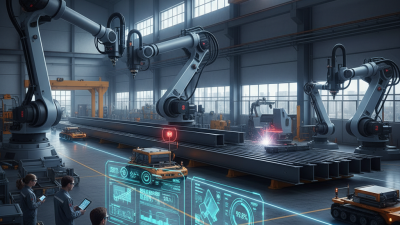
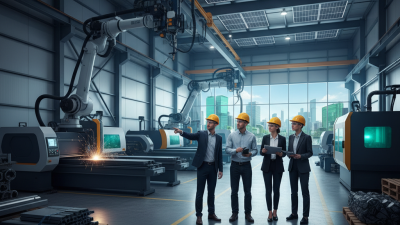
On-site steel fabrication fits into construction planning before the first member is cut. The project team reviews approved drawings, dimensions, connection details, delivery access, and lifting sequences. A clear work area matters: steel plates, welding equipment, and finished components all compete for space. Fabricating near the installation zone can reduce repeated handling and make late adjustments easier. But it is not a shortcut around coordination. Survey points, inspection steps, and safe separation from other trades still need to be planned.

This approach can help address a wider productivity challenge. McKinsey Global Institute’s 2017 report, Reinventing Construction, estimated that construction labor productivity grew about 1% annually over two decades, compared with 2.8% across the global economy. On-site fabrication alone will not close that gap. Its value depends on accurate measurements, qualified inspection, and a steady flow of materials. A single misplaced connection can stall a crew. Weather and crowded work areas can also erase expected time savings. That part deserves honest review. Track rework, waiting time, and completed connections against the project schedule to see whether the approach is actually helping.

Top 10 Benefits of On Site Steel Fabrication - How On-Site Fabrication Fits into the Construction Process

No. Benefit Construction Process Stage How On-Site Fabrication Fits Practical Consideration
1 Accommodates oversized components Planning, delivery, and erection Parts that are difficult to transport as finished assemblies can be brought to the site as smaller pieces and assembled or completed there. Confirm transport limits, lifting access, site space, and the approved connection details before choosing this approach.
2 Enables field adjustments Steel erection and fit-up Authorized cutting, drilling, or fitting can address verified site conditions when installed work differs from the documented dimensions. Changes affecting structural members or connections require review and approval by the responsible design professional.
3 Can reduce handling of large assemblies Material handling and erection Completing selected work near the installation area may avoid moving a fully assembled, heavy component through multiple handling steps. Plan safe material routes, lifting operations, exclusion zones, and access for tools and equipment.
4 Supports phased construction Erection sequencing Site work can be coordinated with the project’s erection sequence, allowing selected fabrication tasks to proceed as areas become accessible. Coordinate work areas and deliveries with other trades to avoid congestion and interference.
5 Provides a response for site repairs Installation, inspection, and closeout Qualified personnel can carry out approved repairs or modifications on site without moving the affected steel back to an off-site facility. Use documented repair procedures, required inspections, and appropriate coating restoration after the work.
6 Improves coordination with field conditions Survey, layout, and fit-up The site team can check actual dimensions and installation constraints before completing selected fit-up work. Use current drawings, verified measurements, and an agreed process for recording and approving discrepancies.
7 May simplify some transport logistics Procurement and delivery Shipping components in smaller sections for site assembly may help where route, load, or delivery restrictions limit transport of completed assemblies. Compare transport savings with additional site labor, equipment, quality control, and temporary storage needs.
8 Allows direct coordination among site teams Daily work planning Fabrication personnel can coordinate task timing and access directly with the erection crew and site management. Define responsibilities, work permits, communication channels, and handover points in the site plan.
9 Can keep selected work near the point of use Assembly and installation When planned well, temporary site work areas can place tools and materials closer to where specific components are being installed. Provide a stable, organized work area with suitable power, lighting, weather protection, and material controls.
10 Offers flexibility for unusual project constraints Method selection and construction planning A project team can use on-site fabrication selectively for locations where access, geometry, transport, or installation sequence makes standard delivery impractical. Assess safety, weather exposure, workmanship requirements, inspection access, and total project cost before selecting the method.

Note: On-site fabrication is typically planned as a project-specific supplement to shop fabrication. The suitable scope depends on design approval, site conditions, safety requirements, inspection needs, and applicable codes.

Benefits for Project Scheduling, Costs, and Material Handling

On-site steel fabrication can help protect the schedule when transport or shop capacity becomes a bottleneck. Crews can cut and assemble selected members near the work area, reducing some long-distance deliveries and repeated unloading. A staged laydown area matters: keep beams close to the crane’s reach, but outside access routes. That matters. Poor staging can create extra moves, not fewer.

The McKinsey Global Institute’s 2017 Reinventing Construction report found that construction productivity grew about 1% annually over two decades, compared with 3.6% in manufacturing. Better coordination is clearly valuable, though that statistic does not prove on-site fabrication alone raises productivity. McKinsey’s 2019 modular-construction analysis estimated that modular methods can shorten project schedules by 20–50%; this is useful context, not a guaranteed result for field steelwork. Weather, inspection hold points, and crew availability still shape the actual sequence.

Costs and material handling depend on the site. Fabricating near erection can reduce transport distance and double handling, especially for large or awkward members. Yet temporary power, welding equipment, weather protection, and quality checks add costs. Not automatically. I would compare total installed cost, not shop price alone, and track delivery dates, crane time, scrap, and rework. A tight site may make off-site fabrication safer and more efficient.

Benefits for Quality, Safety, and Design Flexibility

On-site steel fabrication can improve quality when measurements, cutting, and fit-up happen near the structure they serve. Fabricators can compare a beam or bracket against actual openings before final connections are made. This helps catch small discrepancies, such as a plate sitting slightly proud of a column face. Inspection records and qualified welding procedures still matter; proximity alone does not guarantee sound work. Details matter.

Keeping fabrication near the installation area can also reduce repeated handling and long material movements. Crews can plan lifting paths, set exclusion zones, and coordinate work around other trades. Safer work depends on these controls, proper equipment, and trained workers, not just location. Tight sites may create new hazards, including congestion, noise, and limited access for emergency response. Plans need regular review.

Design flexibility is another practical benefit. A field team may identify a clash between a connection and nearby services, then discuss a controlled adjustment with the responsible engineer. This can avoid unnecessary rework while preserving the intended load path. Still, rushed changes are risky, and not every detail should be altered on site. Weather, available space, and material storage can also limit what is feasible. Sometimes the original plan remains better.

Top 10 Benefits of On-Site Steel Fabrication: Quality, Safety, and Design Flexibility

Minimum Specified Yield Strength of Common Structural Steel Grades

On-site fabrication can support tighter coordination, quality checks, and design adjustments as work progresses. The chart compares specified minimum yield strengths for common structural steel grades; these material properties come from the relevant ASTM specifications and are not increased by where fabrication takes place. Actual requirements can vary by product form and thickness.

Data basis: ASTM A36/A36M, ASTM A572/A572M Grade 50, and ASTM A992/A992M; values shown in ksi.

Environmental and Operational Advantages of On-Site Fabrication

On-site steel fabrication can reduce the distance materials travel between cutting, fitting, and installation. When beams are measured and prepared near the work area, fewer oversized loads may need to cross town. Fewer truck trips matter. They can mean less fuel use, lower transport emissions, and fewer delivery delays. Shorter transport can also reduce the chance of damage to finished steel. Still, the environmental gain depends on the project. A remote site may require generators, extra equipment, or repeated deliveries. Dust, sparks, and metal offcuts need active control. A tidy work zone helps.

Operationally, on-site work lets crews check dimensions against actual conditions before pieces are fixed in place. That can catch a mismatch while adjustments are still manageable. Clear communication between fabricators and installers is essential. It is not automatic. Teams need space for equipment, safe material handling, and a practical plan for noise and waste. Sorting steel offcuts for reuse or recycling can keep usable material out of general waste. Weather can interrupt work, and cramped sites can slow machinery setup. Those trade-offs deserve attention during planning, not after fabrication begins.

Request a Quote