
How to Choose a Machined Metal Parts Supplier

Choosing a Machined Metal Parts supplier is not a simple price comparison. It is a decision about process control, communication, material knowledge, and long-term reliability. A low quotation may hide weak inspection practices, unclear tolerances, or expensive rework later.

W. Edwards Deming, a leading authority on manufacturing quality, said, “Quality comes not from inspection, but from the improvement of the production process.” His principle remains highly relevant when evaluating CNC machining suppliers. Look beyond polished websites and impressive equipment lists. Ask how the supplier controls raw material certificates, tool wear, first-article inspection, surface finish, and dimensional variation. Request sample inspection reports when possible. A trustworthy supplier should explain these details clearly, not avoid them.

Practical experience also matters. A capable supplier can discuss alloy behavior, burr control, thread protection, and realistic tolerances without exaggeration. Their engineers should identify design risks before production begins. Their quality team should use calibrated measuring tools, such as micrometers, height gauges, and coordinate measuring machines. Documentation should connect each batch to its material and inspection records.

Still, no checklist removes every uncertainty. A supplier may pass an audit and miss a small but costly packaging requirement. Even experienced buyers sometimes focus too heavily on unit price. That mistake deserves honest reflection. The strongest choice balances capability, evidence, responsiveness, and consistent results. This guide explains how to compare Machined Metal Parts suppliers carefully, test their claims, and build a partnership that supports dependable production.
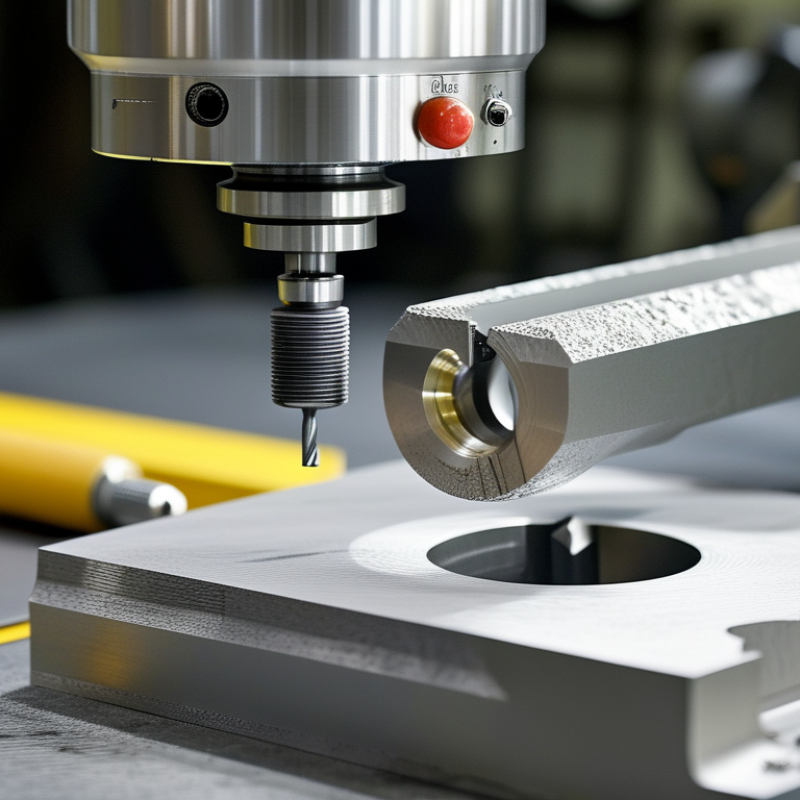
How to Choose a Machined Metal Parts Supplier

Define Your Machined Metal Parts Requirements

Defining your machined metal parts requirements starts with a precise part description. State the material, dimensions, quantity, and expected service environment. Aluminum, stainless steel, and carbon steel behave differently during machining. Include critical tolerances, thread sizes, hole depths, and surface finish requirements. A vague request creates vague quotations.

Use a clear 2D drawing with a 3D CAD model when possible. Mark important features, datum points, and inspection dimensions. Explain whether a sharp edge, radius, or burr-free surface matters. For example, a 0.05 mm tolerance on a bearing seat may require more control than a general outer dimension. Specify anodizing, plating, heat treatment, or cleaning requirements. Do not assume the supplier will interpret missing details correctly.

My early specifications often focused too much on geometry. I overlooked packaging and inspection records. That caused avoidable questions and schedule changes. Include the expected annual volume, prototype quantity, delivery target, and acceptable cosmetic marks. Ask how the supplier measures critical features and handles nonconforming parts. A practical supplier should review your design and identify difficult features before production. Some requirements may need revision after a manufacturability review. That is not failure. It is useful feedback. Clear requirements help you compare suppliers fairly and reduce surprises during inspection.


Assess Supplier Capabilities and Production Equipment

How to Choose a Machined Metal Parts Supplier

Assess the supplier’s capabilities before comparing hourly rates. Ask for machine lists, working envelopes, spindle speeds, and supported materials. A five-axis mill may reduce setups, but it cannot replace proven process control. Request sample inspection reports showing CMM results, surface-finish readings, and dimensional tolerances. Numbers reveal more than polished photographs.

541,302
The International Federation of Robotics reported industrial robots installed worldwide in 2023.

The International Federation of Robotics reported 541,302 industrial robots installed worldwide in 2023. This growth shows automation is becoming common, but equipment ownership alone proves little. Check whether robots support loading, deburring, or inspection. Ask how operators verify offsets after tool wear. Review preventive-maintenance records, calibration intervals, and backup capacity for critical machines. Small details matter.

Production scale also changes the right choice. A supplier with ten identical turning centers may offer stronger continuity than one with a single advanced machine. The 2024 Smart Manufacturing and Operations Survey, covering hundreds of manufacturing executives, found that smart manufacturing is widely viewed as essential to future competitiveness. Still, digital dashboards can hide weak fundamentals. I would test a pilot batch, measure cycle-time variation, and inspect rejected parts openly. Suppliers should explain one recent failure and its corrective action. That conversation may feel uncomfortable. It is often more reliable than a perfect presentation.

Verify Quality Control Systems and Industry Certifications

When choosing a machined metal parts supplier, quality control should be examined, not merely promised. Ask how incoming metal is identified, stored, and traced to each production batch. A reliable supplier can explain inspection points from raw material receipt to final packing. Look for calibrated micrometers, gauges, coordinate measuring machines, and clear inspection records. Good equipment matters. Skilled people matter more.

Request evidence of a documented quality management system, including work instructions, nonconformance handling, corrective actions, and employee training. Industry certifications can support this review, but a certificate alone proves little. Check its scope, issuing body, expiration date, and whether it covers the actual machining site. Audits should reveal repeatable processes, not polished paperwork. Ask for sample reports showing dimensional results, surface finish checks, material certificates, and revision control. Confidential details can be removed.

During a supplier visit, observe the shop floor. Are parts protected from chips and mix-ups? Are rejected components clearly separated? Can operators explain what happens when a measurement fails? These details often expose the real system. Even strong suppliers can miss a small documentation step under production pressure. That is worth discussing, not hiding. Set measurable acceptance criteria, agree on response times, and review early production samples before approving larger orders. A thoughtful supplier welcomes questions and admits where its process still needs improvement.

Compare Materials, Lead Times, Pricing, and Minimum Orders

Choosing a machined metal parts supplier requires more than comparing the lowest quote. Material selection affects strength, corrosion resistance, weight, and machining time. Ask whether the supplier can provide material certificates and traceability for each batch. A clear answer shows process control. Vague answers deserve caution.

Lead time should be separated into programming, material sourcing, machining, inspection, and shipping. I once accepted a ten-day promise without checking material availability. The parts arrived late because the alloy was backordered. That mistake changed my review process. Request a written schedule, including approval deadlines and rework procedures. Shorter is not always safer.

Pricing becomes meaningful only when quotes use the same specifications. Compare setup fees, tooling, surface treatment, inspection, packaging, and freight. A low unit price may hide expensive finishing charges. Minimum order quantities also deserve careful attention. A small prototype order may cost more per part, yet reduce inventory risk. For repeat production, ask about tiered pricing at realistic volumes. Do not accept a discount that creates unused stock. I still find this balance difficult, especially when forecasts are uncertain. Reliable suppliers explain these trade-offs clearly and identify assumptions before production begins.

How to Choose a Machined Metal Parts Supplier - Compare Materials, Lead Times, Pricing, and Minimum Orders

Typical industry ranges for CNC-machined parts. Pricing assumes a simple small-to-medium part, standard tolerances, and an order quantity of approximately 10–100 pieces; actual quotes vary by geometry, size, tolerances, finishing, inspection, and location.

Material Key Characteristics Common Applications Typical Lead Time Indicative Unit Price Practical MOQ Typical Tolerance Supplier Selection Notes
Aluminum 6061-T6 Lightweight, corrosion-resistant, easy to machine, and widely available. Tensile strength is typically around 290 MPa. Enclosures, brackets, fixtures, housings, prototypes, and structural components. 5–10 business days US$8–35 per part 1–5 pieces About ±0.05 mm standard; tighter tolerances may require additional inspection. Good general-purpose choice when low weight, fast machining, and moderate cost are priorities.
Carbon Steel 1018 Strong, economical, and easy to machine. Requires protective finishing for long-term corrosion resistance. Machine bases, shafts, pins, brackets, tooling, and general industrial components. 7–15 business days US$12–45 per part 1–10 pieces About ±0.05 mm standard; surface finish and heat treatment can affect final dimensions. Choose a supplier that can provide optional black oxide, zinc plating, or other corrosion protection.
Stainless Steel 304 Excellent general corrosion resistance, good weldability, and moderate machinability. Work-hardens during cutting. Food-processing equipment, medical hardware, outdoor parts, fittings, and chemical-service components. 8–18 business days US$18–60 per part 1–10 pieces About ±0.05–0.10 mm standard, depending on part size and geometry. Confirm that the supplier has suitable tooling, coolant, and experience with work-hardening materials.
Brass C360 Very good machinability, electrical conductivity, corrosion resistance, and attractive appearance. Valves, connectors, electrical terminals, decorative hardware, and precision fittings. 7–15 business days US$15–55 per part 1–10 pieces About ±0.05 mm standard; small features may require dedicated tooling. Verify the required alloy and confirm whether lead-free or regulatory-compliant material is needed.
Titanium Grade 5 High strength-to-weight ratio, excellent corrosion resistance, and low thermal conductivity; difficult to machine. Aerospace hardware, medical components, high-performance automotive parts, and chemical equipment. 10–25 business days US$45–150 per part 1–5 pieces About ±0.05–0.10 mm standard; critical features may require specialized inspection. Prioritize suppliers with titanium machining experience, rigid equipment, and documented tool-life control.
Tool Steel O1 or A2 High hardness and wear resistance after heat treatment; more demanding to machine than mild steel. Dies, punches, gauges, molds, wear plates, and production tooling. 12–30 business days US$30–120 per part 1–5 pieces About ±0.03–0.08 mm before heat treatment; post-treatment grinding may be required. Ask whether heat treatment, stress relief, grinding, and hardness certification are available in-house or through qualified partners.
Copper C110 Excellent electrical and thermal conductivity but relatively soft and prone to burr formation during machining. Busbars, electrical contacts, heat-transfer components, and conductive fixtures. 8–18 business days US$20–75 per part 1–10 pieces About ±0.05–0.10 mm standard, depending on feature size and burr-control requirements. Choose a supplier experienced in chip control, deburring, and protecting cosmetic or conductive surfaces.

Review Communication, Prototyping, and Long-Term Support

When choosing a machined metal parts supplier, test communication before discussing price. Deloitte’s 2023 Global Chief Procurement Officer Survey reported that about 70% of procurement leaders considered supplier collaboration essential to performance. That matters on the shop floor. A capable supplier should confirm drawing revisions, tolerances, material grades, and inspection points in writing. Ask how quickly engineers respond to a design question. Silence is expensive.

Prototyping reveals more than a polished sales presentation. Request a first-article sample with a dimensional inspection report, surface-finish readings, and clear notes about deviations. The 2023 ISO Survey recorded more than 1.2 million ISO 9001 certificates worldwide, but certification alone does not prove practical control. Review the supplier’s measuring equipment, calibration records, and corrective-action process. A perfect sample can still hide weak repeatability. I have seen this happen.

Long-term support should include revision control, production scheduling, replacement planning, and honest communication about capacity. Ask for a realistic escalation path when a batch fails inspection. Confirm how they protect approved drawings and maintain traceability across repeat orders. Small details matter: labeled bins, dated inspection sheets, and one accountable contact. Do not rely on promises. A supplier that admits a limitation early may be safer than one offering effortless certainty. Perfect communication is rare. Consistent, documented communication is enough.

How to Choose a Machined Metal Parts Supplier

A practical 100-point evaluation model focused on communication, prototyping, quality, delivery, and long-term support.

Communication and prototyping receive the highest weighting because fast technical feedback, clear documentation, and reliable sample production reduce development risk. Quality systems, delivery performance, and ongoing engineering support help determine whether a supplier can support production beyond the first order.

Request a Quote