How to Find Reliable Steel Fabrication Work in 2026?

Finding reliable steel fabrication work in 2026 requires more than searching job boards or accepting the first subcontracting offer. Market evidence matters. The World Steel Association’s October 2024 Short Range Outlook projected global steel demand growth of 1.2% in 2025, reaching approximately 1.77 billion tonnes. That increase suggests continued opportunities in infrastructure, manufacturing, energy, and commercial construction. Demand alone, however, does not guarantee dependable work.

Quality leaves clues.

Deloitte’s 2025 Engineering and Construction Industry Outlook highlights persistent labor shortages, tighter project controls, and growing investment in digital tools. These trends affect how fabricators win and retain contracts. A reliable opportunity should include clear drawings, defined tolerances, realistic delivery dates, and documented payment terms. Ask whether the buyer has completed similar projects. Request verifiable references, safety records, and examples of finished assemblies. A workshop with organized material storage, calibrated measuring tools, and visible welding procedures often reveals more than polished advertising.

The details can be uncomfortable. Some offers promise steady volume but avoid written specifications. Others quote attractive rates while shifting rework costs onto the fabricator. The U.S. Bureau of Labor Statistics continues to report demand across construction-related occupations, yet workforce pressure can also encourage rushed hiring and weak supervision. Careful screening remains essential. Compare certification requirements, inspection procedures, transport responsibilities, and change-order practices before committing. Professional judgment is useful, but it is not infallible. Even experienced fabricators can overlook vague scope language or unrealistic production schedules. This guide explains practical ways to assess steel fabrication work, verify counterparties, and choose opportunities that support safe, sustainable growth.

How to Find Reliable Steel Fabrication Work in 2026?

Define Your Steel Fabrication Career Goals and Work Preferences

Reliable steel fabrication work begins with a clear career target. Decide whether you prefer structural frames, pressure vessels, architectural metalwork, or repair projects. Each path demands different drawings, tolerances, tools, and certifications. Your preferred work environment matters too. Consider shop-based production, field installation, night shifts, travel, and team size.

The U.S. Bureau of Labor Statistics projects a 2% employment decline for welders, cutters, solderers, and brazers from 2023 to 2033. However, it still expects about 45,600 openings annually, mainly from replacement needs. Global steel production reached approximately 1.88 billion tonnes in 2024, according to World Steel in Figures 2025. Demand remains cyclical. A stable-looking trade can change quickly. I once underestimated commute time and repetitive work. That mistake would influence my next job choice.

Tips:

Write three non-negotiables before applying. Include wage range, schedule, location, and physical demands. Then rank them honestly. Review sample drawings and ask about weld procedures during interviews. Check whether training is documented and supervised. A vague promise is not a career plan. Compare job descriptions with your actual skills, not your hoped-for skills. The gap may feel uncomfortable, but it shows what to learn next. Track rejected applications, too. They can reveal missing certifications, weak portfolio evidence, or unrealistic preferences.

Research Reputable Steel Fabrication Employers and Job Sources

How to Find Reliable Steel Fabrication Work in 2026?

Research reputable steel fabrication employers before trusting a job advertisement. The U.S. Bureau of Labor Statistics projects about 42,600 annual openings for welders, cutters, solderers, and brazers from 2023 to 2033. That demand is encouraging, but openings do not guarantee safe or stable employment.

Look for employers with clear pay rates, written schedules, formal training, and documented safety procedures. Ask whether workers receive protective equipment and paid certification training.

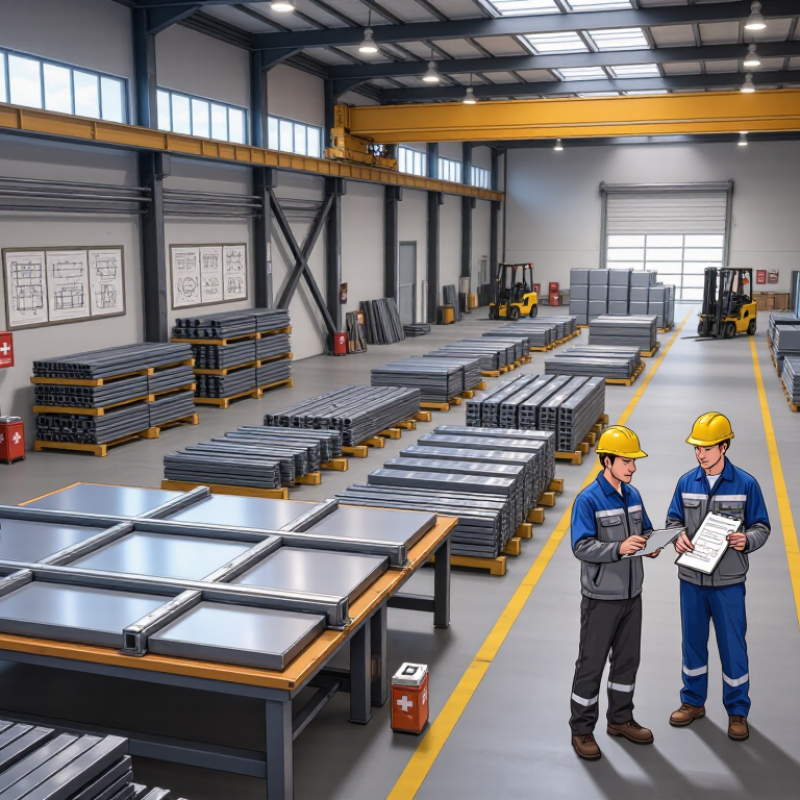
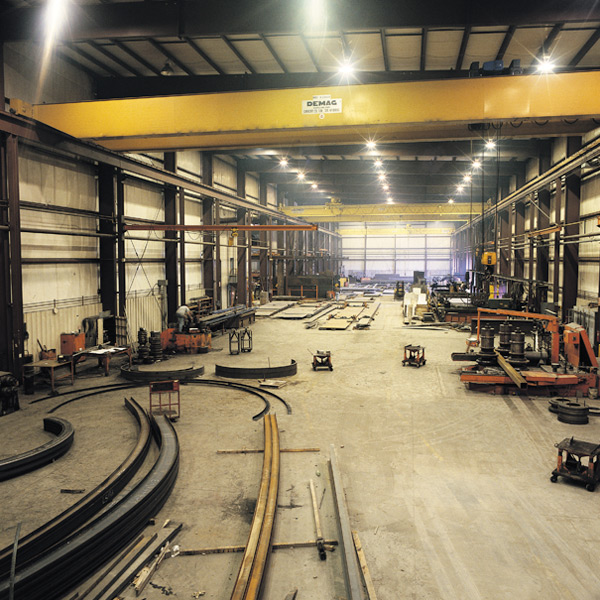
Visit the fabrication floor if possible. A clean workspace, labeled steel stock, maintained lifting equipment, and visible inspection records reveal more than polished advertising.

Use several job sources rather than relying on one search result. Government employment portals, accredited trade-school career offices, union apprenticeship programs, and established staffing services can provide stronger verification.

Compare each listing with the employer’s official contact information and confirm the worksite before sharing documents. The World Steel Association’s 2024 Short Range Outlook projected global steel demand growth of 1.2% in 2025, suggesting continued activity across construction and manufacturing.

Still, forecasts can miss regional downturns. I would ask about order backlogs, overtime patterns, turnover, and recent layoffs.

I once underestimated how much a vague job description mattered. Do not repeat that mistake.

A reliable employer should explain weld procedures, shift expectations, travel requirements, and advancement steps without pressure or evasive answers.

Verify Company Credentials, Workplace Safety, and Labor Standards

Finding reliable steel fabrication work in 2026 starts with evidence, not polished promises. I have learned to request registration records, insurance details, certifications, and recent project references before discussing price. A capable fabricator should explain material grades, welding procedures, inspection methods, and delivery controls clearly. Ask to see drawings, inspection reports, and steel traceability records. Vague answers are a warning.

Workplace safety deserves a direct check. During a site visit, look for clear walkways, guarded machinery, maintained lifting gear, visible protective equipment, and emergency procedures. Ask how workers receive induction training and how near misses are recorded. A tidy workshop helps, but it proves little alone. I once trusted clean floors too quickly. That was my mistake. Observe whether supervisors correct unsafe behavior calmly and consistently. Reliable operations make safety routine, not theatrical.

Labor standards reveal a company’s character. Ask whether workers receive written terms, lawful wages, proper breaks, and safe working hours under applicable local requirements. Confirm that temporary workers receive the same basic protections. Do not ignore unexplained turnover. Speak privately with a worker when appropriate, without creating pressure. Documentation may still be incomplete. That deserves a second check, not an instant accusation. Compare records, site behavior, and references before signing.

How to Find Reliable Steel Fabrication Work in 2026

Verify company credentials, workplace safety, and labor standards before accepting a contract.

Use this evidence checklist when evaluating a steel fabrication employer or contractor. Confirm three credential items: legal registration, relevant licenses or permits, and current insurance. Confirm four safety items: injury and illness records, a written hazard-control program, documented worker training, and incident-reporting procedures. Confirm four labor-standard items: wage and hour records, lawful worker classification, protection from forced or child labor, and an accessible grievance process. These checks align with guidance from OSHA recordkeeping requirements, U.S. Department of Labor wage standards, and the ILO fundamental principles and rights at work.

Evaluate Pay, Benefits, Training, and Advancement Opportunities

How to Find Reliable Steel Fabrication Work in 2026?

Evaluate Pay, Benefits, Training, and Advancement Opportunities

Reliable steel fabrication work starts with a clear pay structure. Ask whether wages are hourly, fixed, or linked to overtime. Request the full rate in writing before accepting an offer. A higher hourly wage may hide irregular shifts or unpaid preparation time. I have seen workers choose attractive rates, then struggle with unstable weekly hours. That mistake is easy to make.

Benefits deserve the same careful attention. Check health coverage, retirement contributions, paid leave, and injury protection. Ask when each benefit begins. Some plans start immediately, while others require months of service. Review training details, too. Strong employers provide practical instruction on drawings, measurements, welding procedures, equipment handling, and site safety. Good training should include supervision, not just a short video.

Look beyond the first position. Ask how helpers become fabricators, inspectors, forepersons, or supervisors. Request examples of recent employee promotions. A vague promise is not a career path. Reliable workplaces usually explain skill levels, assessments, and pay increases clearly. Still, no employer is perfect. Training may be rushed during busy periods, and advancement may depend on open positions. I would record every question and compare answers across several employers. Trust grows through consistent details, not polished promises.

Apply Strategically and Confirm Employment Terms Before Accepting a Job

How to Find Reliable Steel Fabrication Work in 2026?

Reliable steel fabrication work begins with a targeted application, not a high-volume one. Read each vacancy carefully and match your experience to its actual requirements. Mention specific skills, such as MIG welding, blueprint reading, CNC cutting, or structural assembly. Include measurable details when possible, like material thickness, project size, or inspection experience. A clear résumé helps supervisors judge your ability before an interview.

Ask practical questions during the interview. What will a normal shift include? Which machines will I operate? Who checks weld quality? Confirm the worksite, shift pattern, overtime rate, probation period, and payment schedule. Request every important term in writing. A verbal promise can become unclear after the first week. I once focused too much on hourly pay and ignored travel time. That decision made the job less attractive than expected.

Safety standards also reveal an employer’s reliability. Observe whether workers use suitable protective equipment and receive equipment training. Ask how hazards, damaged tools, and near misses are reported. Serious employers usually explain these processes without avoiding details. Check whether the offer identifies your job title, duties, start date, compensation, benefits, and notice conditions. Compare those terms with local employment requirements, and seek qualified advice if anything seems confusing. Do not rush because a workshop needs staff immediately. A short pause can expose missing information, unrealistic production targets, or unpaid responsibilities. Be willing to walk away when the written offer differs from the interview.

How to Find Reliable Steel Fabrication Work in 2026? - Apply Strategically and Confirm Employment Terms Before Accepting a Job

Evaluation Dimension What to Confirm Before Applying or Accepting Reliable Evidence to Request Reasonable Employment Standard Warning Signs
Job Duties Confirm whether the role involves fitting, welding, cutting, grinding, reading drawings, material handling, installation, inspection, or a combination of tasks. A written job description listing the main tasks, required qualifications, work location, and reporting supervisor. Core duties should match the advertised position and your verified experience level. Vague duties, changing responsibilities, or pressure to perform unrelated work without clarification.
Employment Status Determine whether the position is permanent, temporary, seasonal, probationary, contract-based, or paid through an agency. Written offer or employment agreement stating the employment classification and expected duration. Employment status should be clearly documented before the first shift. Verbal promises only, unclear legal employer, or a request to begin work before paperwork is provided.
Pay Rate Confirm the hourly rate or salary, pay currency, pay frequency, payroll deductions, and any shift or skill premiums. A written offer, wage statement, or employment agreement showing the gross rate and payment schedule. The stated gross pay should be specific and should not depend on undisclosed fees or recruitment payments. Unusually high pay with no skills assessment, unexplained deductions, or requests for payment to secure the job.
Overtime and Premium Pay Ask how overtime is approved, recorded, and paid, including weekend, holiday, night-shift, and emergency call-in rules. Written overtime policy and sample timesheet or payroll explanation. All working time should be recorded and paid according to the applicable employment law and written policy. Instructions to work off the clock, alter timesheets, or treat mandatory overtime as unpaid.
Work Schedule Confirm normal shift length, start and finish times, rotation pattern, expected overtime, breaks, and schedule notice. Published shift schedule, crew roster, or written schedule policy. The schedule should be realistic for the project workload and compatible with transportation and rest needs. Frequent last-minute changes, indefinite availability requirements, or no guaranteed information about the first shift.
Safety Training Confirm induction training, hazard communication, hot-work procedures, lockout and tagout, lifting practices, and emergency response. Training schedule, site safety rules, competency checklist, and contact details for the safety representative. Workers should receive required safety instruction before performing hazardous tasks independently. Being told to “learn on the job” without supervision or being discouraged from reporting hazards.
Personal Protective Equipment Ask which protective equipment is supplied, which items workers must provide, and whether replacement equipment is available. Written PPE policy covering eye, hearing, respiratory, hand, foot, head, and fall protection where applicable. PPE requirements should be defined before work begins and equipment should be suitable for the identified hazards. No clear PPE policy, visibly damaged equipment, or pressure to work without required protection.
Tools and Equipment Confirm who supplies welding machines, grinders, measuring tools, lifting equipment, consumables, and replacement parts. Tool and equipment list, inspection procedure, and rules for personal tools. Employer-provided equipment should be maintained, inspected, and appropriate for the assigned work. Workers must use unsafe personal equipment or pay unexpected charges for ordinary job tools.
Qualifications and Testing Check whether welding qualifications, trade certificates, driving authorization, medical clearance, or site-specific tests are required. Written qualification requirements and details of any skills test, including whether testing time is paid. Testing should measure job-related skills and should not require unpaid production work or unnecessary personal expenses. Unclear certification claims, requests for original documents, or unpaid work disguised as an assessment.
Work Location and Travel Confirm the regular worksite, project locations, travel frequency, commuting expectations, accommodation, and travel reimbursement. Written location information and travel policy, including mileage, transport, lodging, and per diem rules where applicable. Travel obligations and reimbursable expenses should be agreed in writing before deployment. Unexpected relocation, withheld identity documents, or demands to pay large travel or accommodation deposits.
Physical and Environmental Conditions Ask about lifting, awkward positions, noise, heat, cold, dust, fumes, outdoor work, confined spaces, and work at height. Job hazard assessment, site orientation information, and details of required controls. Physical demands should be disclosed accurately and matched with appropriate controls, training, and equipment. Hazards are minimized during recruitment or safety questions are treated as disloyalty.
Training and Supervision Confirm who supervises new workers, how long orientation lasts, and how performance is evaluated during the initial period. Onboarding plan, supervisor contact, training checklist, and probation review schedule. New workers should receive clear instructions and reasonable supervision before handling higher-risk tasks alone. No named supervisor, no onboarding process, or immediate assignment to unfamiliar hazardous work.
Benefits and Leave Ask about legally required benefits, paid or unpaid leave, insurance, retirement contributions, and eligibility waiting periods. Benefits summary or employment policy showing eligibility rules and effective dates. Benefits should be described separately from base pay and should not be presented as guaranteed cash wages. Benefits are mentioned only verbally, eligibility is impossible to verify, or deductions are not explained.
Probation and Termination Confirm probation length, evaluation criteria, notice requirements, termination rules, and final-pay arrangements. Employment agreement and applicable workplace policy. Terms should comply with local law and provide a clear process for ending employment. Unlimited probation, immediate termination for raising safety concerns, or refusal to explain final-pay procedures.
Recruitment Verification Verify the recruiter, hiring contact, worksite address, interview process, and official communication channel independently. Consistent contact information, scheduled interview, written offer, and a verifiable physical or digital workplace presence. Legitimate hiring normally includes a role-specific discussion and clear employment documentation. Recruitment conducted only through anonymous messaging, urgent payment demands, or guaranteed hiring without an interview.
Final Acceptance Check Compare the offer with your notes and confirm pay, hours, duties, location, safety arrangements, start date, and supervisor. Signed copy of the complete offer or employment agreement retained by both parties. Accept only after key terms are written and consistent Do not accept unresolved contradictions or pressure-based changes
Request a Quote