What is Steel Fabrication and Why is it Important?
Steel fabrication plays a critical role in modern construction and manufacturing. It involves crafting steel structures and components. These processes are essential for a wide range of industries, from building bridges to creating machinery.
The importance of fabrication in steel cannot be overstated. It ensures the structural integrity of various projects. Skilled fabricators use advanced techniques to shape, cut, and assemble steel. However, this field faces challenges. Quality control is vital, yet errors can occur during intricate processes.
Understanding steel fabrication is crucial for any industry stakeholder. Investment in reliable fabrication methods leads to higher safety and durability. Recognizing the complexities and potential pitfalls can enhance the overall quality of construction projects. Awareness of these factors is key to successful outcomes.
What is Steel Fabrication? A Comprehensive Overview
Steel fabrication is a crucial process in various industries, encompassing the creation of structures from steel through cutting, bending, and assembling. According to a report from the American Institute of Steel Construction (AISC), the steel fabrication sector contributes over $50 billion to the U.S. economy annually. This figure highlights the significance of steel in construction, transportation, and manufacturing.
In practice, steel fabrication is both an art and a science. Skilled fabricators transform raw steel into crucial components, from beams and columns to intricate frameworks. With global demand for fabricated steel projected to grow by 4% annually (as per a report by Research and Markets), the importance of skilled labor cannot be understated. Each piece must meet strict standards for safety and durability, often requiring advanced technology and quality control measures.
Despite advancements, the steel fabrication process faces challenges. The industry often grapples with material shortages and fluctuating prices. These issues can hinder project timelines and budgets. It's vital for companies to stay adaptable, embracing new technologies and efficient methodologies. Reflecting on these struggles can lead to better practices and innovative solutions in the fabricating process, ultimately improving quality and efficiency in this essential industry.
Steel Fabrication Processes and Their Importance
This chart illustrates the average time taken for various steel fabrication processes, emphasizing the importance of each step in the overall fabrication workflow.
The Process of Steel Fabrication: Key Techniques and Methods
Steel fabrication is a vital process in various industries, including construction and manufacturing. Key techniques in steel fabrication include cutting, shaping, and assembling. These methods transform raw steel into structural elements that support buildings and infrastructure. According to a recent report by the American Institute of Steel Construction (AISC), fabricated steel accounts for nearly 75% of construction material used in major projects.
One common method is laser cutting. This technique offers precision and reduces material wastage. The report highlights that laser technology increases productivity by up to 30%. Welding is another critical technique. Effective welding ensures structural integrity. However, it requires skilled labor. Shortages of skilled welders are a growing concern, affecting project timelines.
Bending is an essential process as well. It shapes steel without compromising strength. Innovative bending techniques have emerged, improving efficiency. However, issues such as inconsistent quality can arise. Design errors in the initial stages often lead to waste, impacting both time and cost. Steel fabrication remains a complex field. Each technique presents potential challenges that professionals must navigate carefully.
Applications of Steel Fabrication in Various Industries
Steel fabrication plays a crucial role across various industries. In construction, for instance, it provides the framework for buildings, bridges, and roads. Using fabricated steel beams allows for strong and durable structures. This capability enhances safety and longevity, but it requires precise engineering.
In the automotive industry, steel fabrication is essential. It produces parts for vehicles, such as chassis and frames. These components must meet rigorous safety standards. While many factories excel in this area, inconsistent quality can sometimes lead to failures. Reflecting on quality control measures is vital to ensure reliable outcomes.
The energy sector benefits significantly from steel fabrication too. It is used in the construction of pipelines and offshore platforms. These structures face harsh environments, demanding robust materials. However, the complexities during fabrication can lead to unexpected challenges. Continuous improvement and adaptation are necessary in this dynamic field.
Economic Impact of Steel Fabrication: Employment and Revenue Data
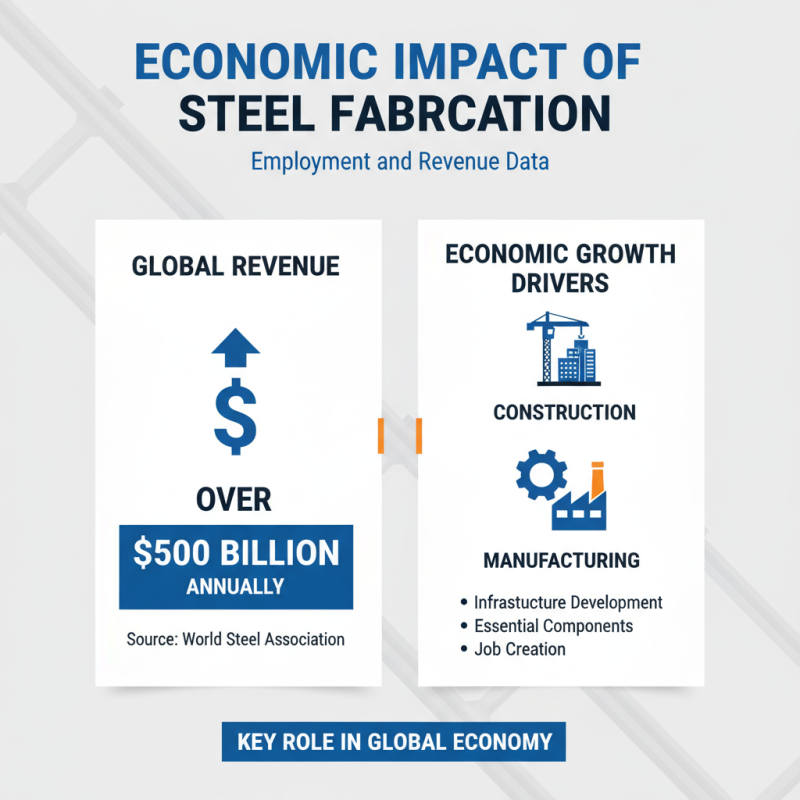
Steel fabrication plays a vital role in the global economy. According to the World Steel Association, the industry contributes over $500 billion annually to global revenues. This significant number reflects the high demand for steel products across various sectors, including construction and manufacturing. The processes involved in steel fabrication create essential components used in infrastructure development, which drives economic growth.
In terms of employment, the steel fabrication industry supports millions of jobs worldwide. The American Institute of Steel Construction estimates that the sector employs over 200,000 workers in the U.S. alone. This workforce comprises skilled laborers, engineers, and project managers, all contributing to the industry's success. However, the sector faces challenges, such as skill shortages and economic fluctuations, which can affect job stability and revenue streams.
Regional disparities exist in the economic impact of steel fabrication. Certain areas benefit significantly from this sector, while others lag behind. For example, regions with a strong manufacturing base see higher revenues and job creation than those reliant on other industries. Addressing these gaps can enhance overall economic stability and encourage sustainable growth in the future.
Future Trends in Steel Fabrication: Innovation and Sustainability Insights
Steel fabrication is evolving, driven by innovation and sustainability. As manufacturers face climate challenges, new methods are emerging. Modern techniques focus on reducing waste and improving energy efficiency. For instance, computer-aided design (CAD) software is streamlining production. This technology allows for precise cuts, minimizing excess material.
Moreover, the use of recycled steel is gaining traction. Integrating recycled materials can significantly reduce the carbon footprint of the fabrication process. However, it requires collaboration among various industries. This interconnected approach can sometimes lead to logistical challenges and increased costs. Not every project can seamlessly adopt these sustainable practices.
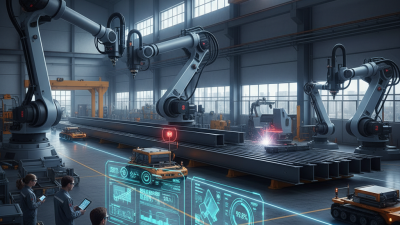
The future also sees advancements in automation. Robotics and AI tools will enhance productivity and precision. However, relying on technology raises concerns about workforce displacement. Finding a balance between tech and human skills is essential. Industry professionals must continually adapt and learn new skills. Embracing change is not just a necessity; it’s an opportunity for growth in steel fabrication.