
China’s leading steel stairs fabrication manufacturers are increasingly judged by more than polished photographs or impressive factory size. Their real value appears in engineering details, production discipline, and installation results.
A reliable manufacturer should translate architectural drawings into accurate shop drawings, practical connection details, and measurable quality controls. Engineers inspect steel grades, weld penetration, tread alignment, surface preparation, and dimensional tolerances. Small errors matter. A misaligned stringer can create costly site adjustments.
“Good stair fabrication begins with safe load paths, not attractive finishes,” says Wei Zhang, a senior structural steel engineer with experience in commercial stair projects. His observation reflects a basic industry truth: appearance cannot compensate for weak engineering or careless fabrication.
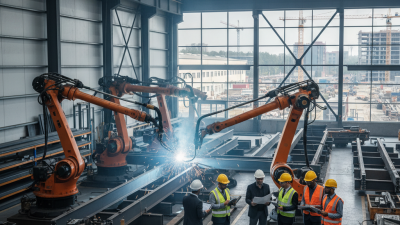
Experienced Chinese suppliers often support projects from design review through packaging and overseas delivery. Their workshops may use CNC cutting, robotic welding, shot blasting, and powder coating. Still, equipment alone proves little. Buyers should request material certificates, welding procedures, inspection records, and completed-project references.
Look closely at the handrail returns.
That detail reveals workmanship.
The strongest manufacturers communicate clearly when drawings contain conflicts. They confirm site dimensions before cutting steel and flag unrealistic deadlines instead of making confident promises. This honesty is valuable, although it can sometimes slow early progress.
A thoughtful comparison should consider structural capability, corrosion protection, safety standards, customization, lead time, and after-sales support. Price remains important, but the cheapest quotation may hide thinner sections, limited inspection, or unclear installation responsibilities.
This guide examines China’s top steel stairs fabrication manufacturers through those practical criteria. It also recognizes an uncomfortable point: no supplier is perfect, and every project requires independent technical verification.
China Top Steel Stairs Fabrication Manufacturers
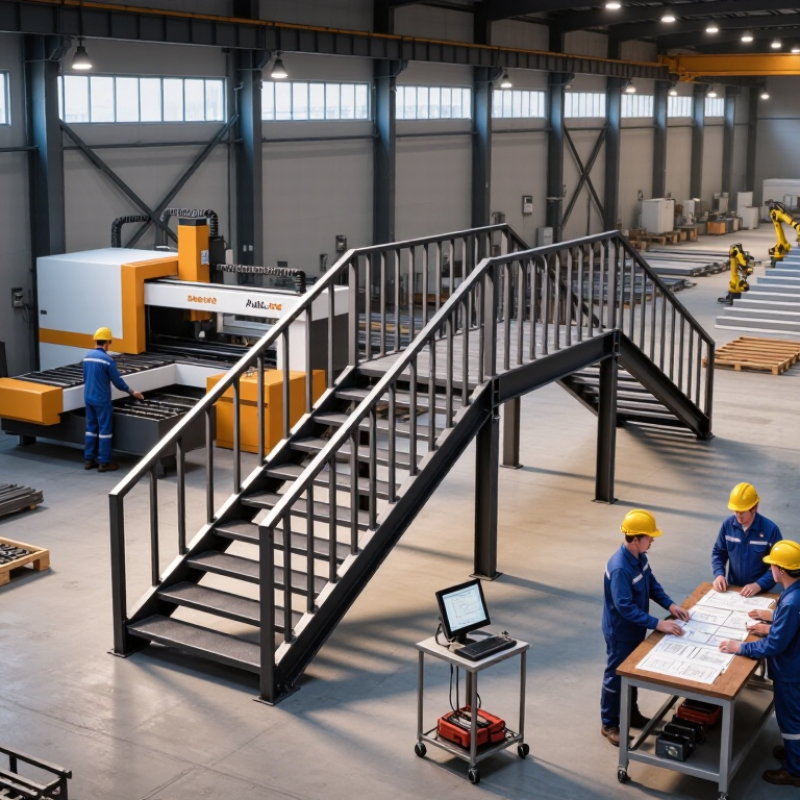
Steel stair fabrication manufacturers in China turn architectural concepts into safe, usable access systems. Their role covers design coordination, material selection, cutting, welding, finishing, and delivery. They often work from structural drawings, 3D models, or incomplete site measurements. Experienced teams identify conflicts before steel reaches the workshop. This step can prevent expensive revisions later.
Professional manufacturers calculate stair loads, tread spacing, landing dimensions, and handrail heights. They select suitable steel grades for indoor, outdoor, or humid environments. Computer-controlled cutting improves consistency, while certified welders join primary frames and support plates. Inspectors check weld appearance, dimensions, coating thickness, and surface defects. Factory trials may confirm that prefabricated sections align correctly during installation. Small details matter. A misplaced bolt hole can delay an entire floor.
Reliable suppliers also prepare shop drawings, packing lists, inspection records, and installation guidance. They communicate with architects, engineers, contractors, and site supervisors across different time zones. However, no fabrication process is flawless. A rushed approval, unclear tolerance, or late drawing change can create avoidable problems. Good manufacturers document these issues and adjust their procedures. They should explain limitations honestly, rather than promise perfect results. Practical experience shows that clear communication often protects quality as much as advanced machinery. Safety, traceability, and accurate measurements remain central to their professional responsibility.
China Top Steel Stairs Fabrication Manufacturers
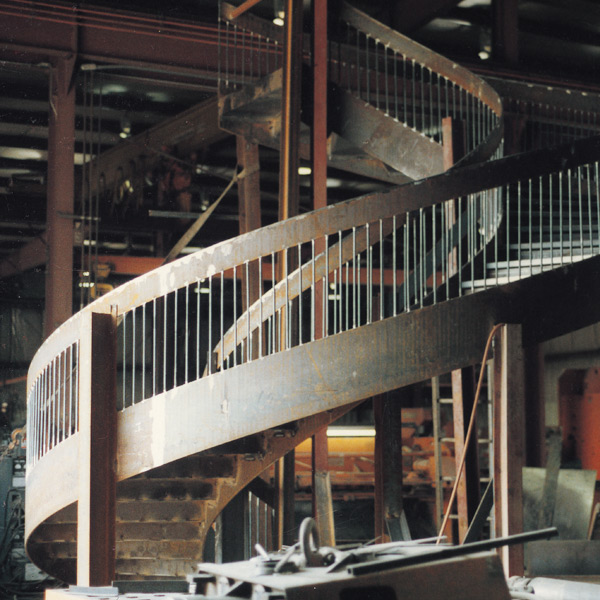
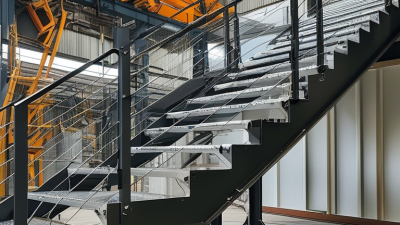
Chinese manufacturers commonly produce straight-flight, L-shaped, U-shaped, spiral, helical, and modular steel stairs. Straight flights suit factories and public buildings with clear circulation. L-shaped and U-shaped designs save floor space around landings. Spiral stairs create compact access, but their narrow inner treads may reduce comfort. Modular stairs arrive with welded stringers, treads, handrails, and connection plates. This can shorten installation time on busy sites.
Material selection changes performance. Serrated steel grating improves drainage and slip resistance in workshops. Checker plate offers a solid walking surface for warehouses and platforms. Galvanized finishes help resist moisture, while powder coating supports color control indoors. The World Steel Association recorded China’s crude steel output at approximately 1.005 billion tonnes in 2024. That large supply base supports flexible fabrication and customized profiles. However, steel availability does not guarantee accurate stair engineering. Fabricators should verify load paths, weld quality, tolerances, and corrosion protection. EN 1993 supports structural steel design, while ISO 14122-3 addresses permanent access stairs. Local requirements still need confirmation.
Tips: Request a fabrication drawing before production. Check tread depth, riser height, landing width, handrail height, and anchor positions. Ask for mill certificates and coating records. A practical detail is often missed: measure the finished floor level, not the unfinished slab. Chinese National Bureau of Statistics data shows China’s construction industry remains highly active, yet project conditions differ widely. One standard design may fail at the installation stage. Recheck every dimension.
China Top Steel Stairs Fabrication Manufacturers
Steel stair fabrication depends on material selection, accurate design, and controlled production. Carbon steel suits most industrial stairs because it offers strength and efficient welding. Stainless steel performs better in humid or corrosive environments. Galvanized steel adds practical protection, especially for outdoor access platforms. Material certificates should verify grade, thickness, and coating quality. Recycled content can also support a lower-impact specification.
Designers should calculate dead loads, live loads, vibration, and guardrail forces. Local building codes always take priority. Depending on the project, EN, ASTM, or ISO references may guide structural design and welding quality. Treads need stable dimensions, clear nosings, and reliable slip resistance. Accessibility requirements may affect riser height, handrail position, and landing space. A drawing can look perfect and still fail during installation. Site measurements deserve more attention than they often receive.
Tips: Ask for load calculations, welding procedure records, and dimensional inspection reports. Confirm whether the fabricator uses qualified welders and traceable materials. Request a trial assembly for complex flights. Check coating thickness after fabrication, not only before delivery. In our experience, small tolerance errors create large alignment problems. That point is easy to underestimate. Photos, inspection records, and a clear revision system improve accountability. Still, no checklist replaces an experienced site review.
Evaluating China’s top steel stair fabrication manufacturers requires more than comparing quotations. World Steel Association data shows China produced about 1,005 million tonnes of crude steel in 2024. That scale supports strong supply networks, but it does not guarantee stair quality. Review engineering calculations, weld procedures, material certificates, and production records. Ask whether designs follow applicable building codes, such as EN 1993 and EN 1991, or your local requirements. Check stair loads, railing forces, deflection limits, and connection details.
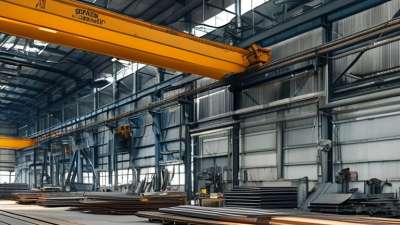
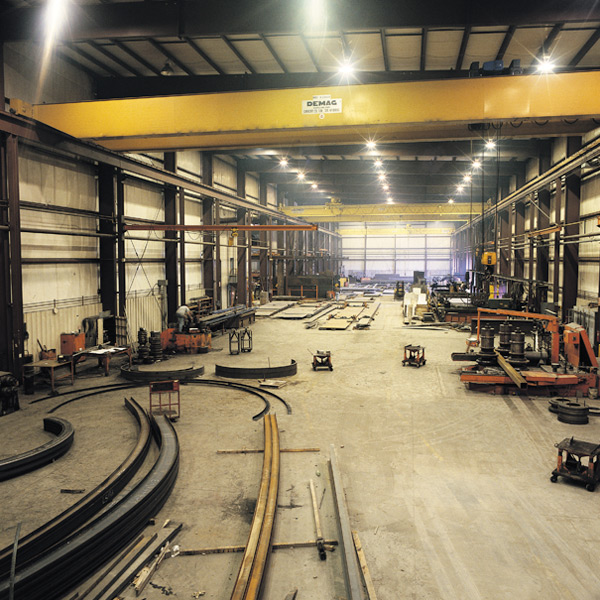
Factory evidence matters. Request a live video inspection or an independent audit. Look for CNC cutting, controlled welding areas, calibrated measuring tools, and clear steel traceability. A reliable fabricator should identify each batch from mill certificate to finished component. Coating performance also needs proof. Require surface-preparation records and dry-film thickness readings. ISO’s 2023 survey recorded more than 1.2 million ISO 9001 certificates worldwide, but certification alone cannot replace project-specific inspection.
Tips: Ask for one anonymized project package, including shop drawings, weld maps, inspection reports, and packing photos. Compare those documents with the quotation. Speak with a previous buyer, if possible. A polished showroom proves little. I would also inspect a full-size landing connection before approving mass production. Small alignment errors can become visible gaps during installation. No checklist is perfect. Leave room for independent review, especially when drawings, tolerances, and site conditions remain unclear.
China Top Steel Stairs Fabrication Manufacturers
Chinese steel stair manufacturers serve factories, warehouses, offices, schools, and transport facilities. Each application demands a different balance of strength, access, and appearance. Industrial stairs often use checker plates and handrails with extra clearance. Commercial projects may require closed treads, cleaner welds, and carefully matched finishes. Modular stairs can reduce installation time, but inaccurate site measurements create expensive adjustments.
Reliable fabrication begins with approved drawings and traceable steel certificates. Inspectors should verify material grades, plate thickness, weld size, and overall dimensions. Welders need suitable qualifications for the specified process. Visual inspection catches many defects, while ultrasonic or magnetic testing may support critical joints. Trial assembly is valuable. It can reveal misaligned bolt holes before shipment. Still, no workshop avoids every mistake. A small tolerance overlooked during drafting can affect the entire flight.
Export capability involves more than producing a strong staircase. Manufacturers should prepare packing lists, inspection records, assembly drawings, and destination-specific compliance documents. Moisture-resistant wrapping and reinforced timber crates help protect painted surfaces during ocean transport. Containers also need balanced loading to prevent shifting. Experienced exporters confirm local loading requirements, guardrail dimensions, and installation conditions before production. Communication can remain imperfect when technical terms are translated poorly. Clear marked drawings and photo-based approvals reduce that risk. Reliable suppliers keep production updates, record changes, and respond honestly when a correction is necessary.
| Fabrication Category | Typical Applications | Common Steel Materials | Typical Product Range | Key Quality-Control Measures | Applicable Standards | Typical Lead Time | Export Readiness |
|---|---|---|---|---|---|---|---|
| Architectural Straight Stairs | Office buildings, residences, hotels, retail interiors, and public facilities | Carbon steel, galvanized steel, and stainless steel such as 304 or 316 grades | Single-flight stairs, stringer stairs, mono-stringer stairs, and prefabricated stair units | Dimensional inspection, weld visual inspection, fit-up checks, coating-thickness testing, and load-design review | EN 1090, Eurocode 3, AISC 360, and applicable local building codes | Approximately 4–8 weeks after approved drawings | High; commonly shipped as knocked-down or protected prefabricated assemblies |
| Industrial Platform Stairs | Factories, warehouses, processing plants, equipment platforms, and maintenance access areas | Structural carbon steel, hot-dip galvanized steel, and chequered or serrated steel plate | Stairs with landings, handrails, access platforms, ladders, and modular walkways | Material certificates, weld procedure control, non-slip surface checks, galvanizing inspection, and assembly verification | ISO 9001-based procedures, OSHA requirements where applicable, EN ISO 14122, and local industrial safety codes | Approximately 3–7 weeks after technical approval | High; standardized sections simplify container loading and site installation |
| Spiral and Helical Stairs | Compact commercial spaces, residential projects, showrooms, mezzanines, and secondary access routes | Mild steel, stainless steel, aluminum components, and powder-coated structural steel | Circular stair flights, central-column stairs, helical stairs, and custom balustrades | Tread-radius checks, stair-angle verification, weld inspection, balustrade-height checks, and surface-finish inspection | Eurocode 3, EN 1991 loading provisions, IBC provisions where applicable, and local accessibility codes | Approximately 5–10 weeks because of detailed geometry and finishing requirements | Medium to high; requires careful crating, labeling, and installation documentation |
| Emergency and Fire-Escape Stairs | Industrial buildings, commercial properties, apartment buildings, schools, and public infrastructure | Galvanized carbon steel, weather-resistant coatings, steel grating, and structural sections | External escape stairs, fire stairs, access ladders, landings, cages, and safety railings | Egress-width checks, tread and riser measurement, slip-resistance review, corrosion-protection inspection, and anchorage verification | International Building Code, NFPA provisions where applicable, EN 1993, and local fire-safety regulations | Approximately 4–8 weeks after site dimensions and approvals are confirmed | High; corrosion-resistant packaging and installation drawings are normally required |
| Heavy-Duty Access Stairs | Mining, energy, ports, infrastructure, steel plants, and heavy manufacturing facilities | High-strength structural steel, galvanized steel, stainless steel, and heavy-duty grating | Wide industrial stairs, conveyor access stairs, maintenance platforms, and multi-level structures | Mill certificates, traceability records, weld qualification, dimensional tolerances, non-destructive testing where specified, and load verification | AWS D1.1, EN 1090, ISO 3834, AS/NZS 1170, and project-specific engineering specifications | Approximately 6–12 weeks depending on engineering and inspection scope | High for project cargo; requires lifting plans, packing lists, and corrosion protection |
| Decorative Interior Stairs | Luxury residences, hotels, restaurants, galleries, offices, and premium retail projects | Stainless steel, powder-coated carbon steel, glass-support steelwork, and mixed metal assemblies | Floating stairs, glass-compatible stringers, feature staircases, and custom handrails | Visible-surface inspection, weld polishing, color and gloss verification, template checks, and protective-film review | EN 1090, ASTM material specifications, IBC provisions where applicable, and project design standards | Approximately 6–12 weeks due to customization and finishing requirements | Medium to high; components are usually individually labeled and securely crated |