
What Are the 2026 Top Steel Fabrication Companies?

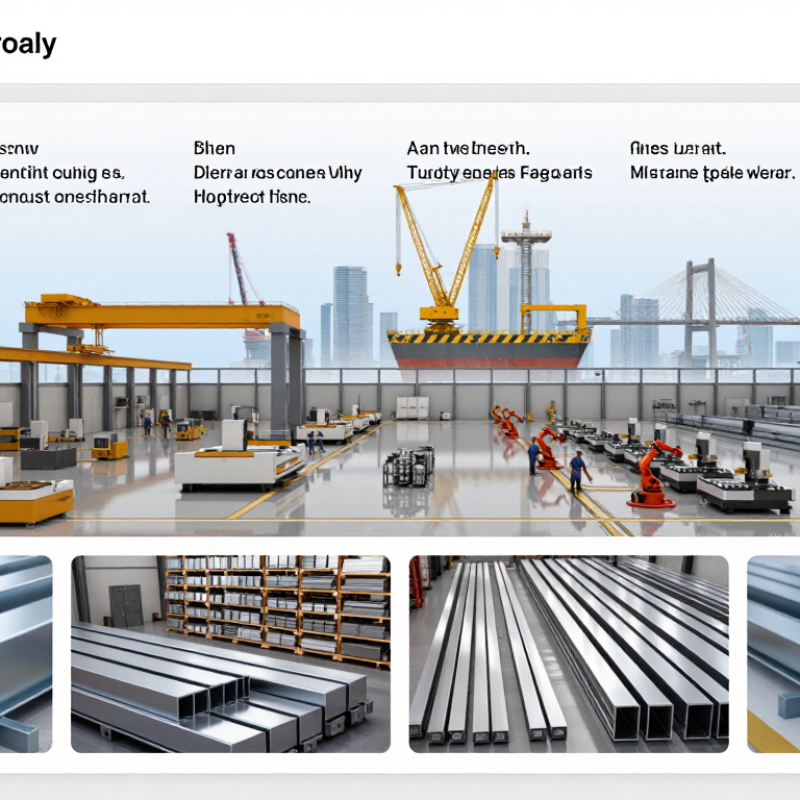
Choosing the 2026 top steel fabrication companies requires more than scanning revenue rankings or polished websites. This guide examines practical evidence, including project experience, production capacity, engineering depth, quality systems, delivery performance, and customer support. It also considers whether a fabricator can manage demanding work, from heavy structural frames to precision components with tight tolerances.

Details matter here. A reliable company should explain its welding procedures, material traceability, inspection methods, and certification coverage. Factory scale helps, but it does not guarantee consistent results. A clean workshop, calibrated equipment, organized storage, and clearly documented inspections often reveal more than impressive marketing language. Experience matters.

The companies discussed in this overview are assessed through an industry-focused lens, using public records, technical information, market reputation, and reported project capabilities. Regional strengths are also important. A firm serving offshore construction may differ greatly from one specializing in commercial buildings, bridges, or industrial machinery. “Top” is not a universal label. It depends on the buyer’s specifications, schedule, location, and risk tolerance.

Some information may change during 2026. Public data can also be incomplete, while customer experiences may vary between projects. That limitation deserves attention. Therefore, this overview should support careful comparison, not replace direct due diligence. Before selecting a partner, buyers should verify current certifications, facility capacity, references, material standards, and contractual commitments. Strong steel fabrication begins with evidence, not assumptions.
What Are the 2026 Top Steel Fabrication Companies?

What Defines a Leading Steel Fabrication Company in 2026?

A leading steel fabrication company in 2026 is defined by more than modern equipment. It combines verified engineering knowledge with disciplined shop-floor experience. Its engineers review structural drawings, load requirements, and site constraints before cutting a single plate. Digital modeling helps detect clashes, while qualified welders still judge fit-up, heat control, and access. That balance matters. Steel does not forgive careless measurement.

Reliable fabricators document material grades, mill certificates, weld procedures, and inspection results. Independent testing, traceable heat numbers, and dimensional checks create evidence rather than promises. Strong project teams communicate schedule risks early. They explain when a delivery date is unrealistic, even when the conversation feels uncomfortable. Clear records support safer decisions for contractors, inspectors, and owners. Quality should be visible.

Experience also appears in small details: protected edges during transport, labeled assemblies, clean bolt holes, and practical lifting points. A leading company invests in worker training, updated safety systems, and lower-waste production methods. Yet no process is perfect. Software can carry incorrect assumptions, and experienced teams can miss a tolerance. The best firms invite review, correct mistakes openly, and improve procedures after every project. In 2026, credibility is earned through repeatable results, honest reporting, and steelwork that performs as designed in real conditions.
Key Technologies Shaping Steel Fabrication in 2026

What Are the 2026 Top Steel Fabrication Companies?

Key Technologies Shaping Steel Fabrication in 2026

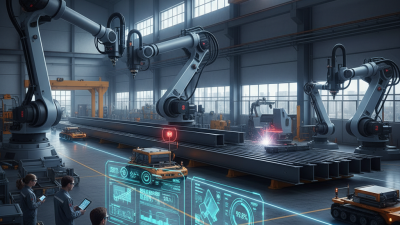
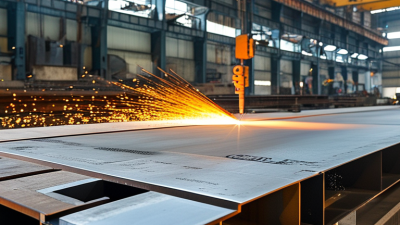
Steel fabrication in 2026 is becoming a data-led discipline. Modern shops connect laser cutters, robotic welders, and inspection cameras through one production system. These tools read drawings, adjust settings, and flag heat distortion before final assembly. A technician still checks the joint by hand. That human pause matters.

Artificial intelligence now improves nesting, cutting paths, and production scheduling. Better material planning reduces offcuts and shortens machine downtime. Digital twins let engineers test load paths before steel reaches the workshop. A fabrication manager can review stresses, tolerances, and assembly access on a shared screen. However, a simulation can look precise while using poor input data. That is an uncomfortable weakness. Experienced fabricators compare model results with site measurements and proven welding procedures.

Low-carbon production is also shaping industry performance. Electric furnaces powered by cleaner energy can reduce emissions, although results depend on the energy source. Automated welding improves repeatability, especially on long structural seams. Yet automation does not guarantee quality. Poor calibration, contaminated surfaces, or rushed programming can still create defects. Strong fabrication teams combine sensor data with qualified inspectors, traceable material records, and regular equipment checks. This balance separates useful innovation from expensive complexity.

Top Steel Fabrication Companies and Their Core Strengths

What Are the 2026 Top Steel Fabrication Companies?

Top Steel Fabrication Companies and Their Core Strengths

The strongest steel fabrication companies combine accurate engineering, disciplined production, and dependable site coordination. Their core strength is not simply cutting steel quickly. It is controlling each stage from approved drawings to final installation. Experienced teams use digital modeling, automated cutting, robotic welding, and documented inspections. These tools reduce dimensional errors and improve repeatability. Skilled fabricators still matter. Machines cannot judge every unusual connection or site condition.

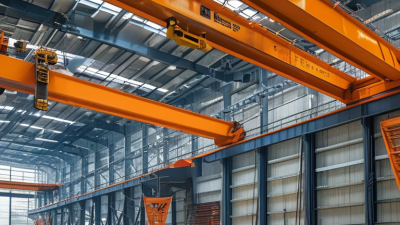
Heavy structural fabrication is a major strength for companies serving warehouses, bridges, industrial buildings, and energy facilities. They manage large beams, complex joints, lifting plans, and protective coatings. Other firms specialize in precision components, stainless steel assemblies, or smaller architectural structures. The best choice depends on load requirements, tolerances, production volume, and delivery conditions. Bigger is not always better.

Quality systems provide another clear difference. Reliable fabricators trace material certificates, record weld inspections, and control revisions carefully. They also communicate problems before they reach the jobsite. That habit saves time and protects budgets. I have seen projects suffer when a supplier focused on speed but ignored drawing changes. The lesson is uncomfortable. Technical confidence needs independent checking.

Strong companies also support safer planning through realistic schedules and clear documentation. They understand that fabrication quality includes packaging, transport protection, and installation guidance. Some providers remain excellent in production but weaker in communication. Buyers should examine both capabilities before signing a contract. A factory tour, sample inspection, and review of past project evidence can reveal more than polished marketing language.

What Are the 2026 Top Steel Fabrication Companies? - Top Steel Fabrication Companies and Their Core Strengths

Anonymous comparison of leading steel-fabrication capability profiles by specialization, standards, scale, and delivery strength.

Profile Primary Fabrication Focus Typical Project Scale Key Processes Relevant Standards and Certifications Core Strength Typical End Markets
Profile A Heavy structural steel and complex industrial modules Large-scale
Multi-level industrial structures and major infrastructure packages
Plate processing, submerged arc welding, robotic welding, CNC drilling, module assembly ISO 9001; ISO 3834; EN 1090; project-specific welding qualifications High-volume production with strong dimensional control Energy, industrial facilities, transportation infrastructure
Profile B Architectural and complex geometrical steelwork Complex-design
Signature roofs, atriums, stations, and public buildings
3D modeling, CNC cutting, profile bending, precision fit-up, shop trial assembly EN 1090 execution classes; ISO 3834; project-based inspection plans Advanced geometry, appearance control, and installation coordination Airports, stadiums, cultural buildings, commercial developments
Profile C Bridge steel, box girders, and transportation structures Infrastructure
Long-span and high-load structural packages
Automated plate welding, girder fabrication, non-destructive testing, protective coating AASHTO/AWS requirements; ISO 9001; qualified welding procedures Fatigue-sensitive fabrication and traceable quality documentation Road bridges, rail bridges, transit systems, ports
Profile D Offshore and marine steel structures Marine-grade
Jackets, topsides, decks, and ship-related structures
Thick-plate welding, block assembly, blasting, coating, dimensional surveying ISO 3834; ISO 9001; class-society and offshore project requirements Weld integrity, corrosion protection, and marine load performance Offshore energy, shipbuilding, ports, marine infrastructure
Profile E Process equipment supports and modular industrial fabrication Modular
Factory-built skids, pipe racks, and equipment frames
Structural fabrication, pipe-support assembly, skid integration, lifting-frame design ISO 9001; ISO 3834; ASME-related project requirements where applicable Off-site prefabrication that reduces field installation time Chemical processing, power generation, manufacturing, water treatment
Profile F Commercial and industrial building frames High-throughput
Warehouses, factories, offices, and distribution facilities
Beam-line processing, automated sawing, CNC coping, shot blasting, bolted connection preparation AISC 360 or EN 1090; ISO 9001; certified erection procedures Fast turnaround, repeatable production, and competitive project delivery Warehousing, logistics, retail, offices, light manufacturing
Profile G Renewable-energy support steel and tower components Repeat-production
Wind, solar, battery, and grid-support structures
Automated cutting, flange and plate welding, precision drilling, galvanizing coordination ISO 9001; ISO 3834; applicable structural and coating specifications Consistent quality across repeated components and phased deliveries Wind farms, solar facilities, battery storage, transmission infrastructure
Profile H Pressure-retaining and safety-critical fabricated assemblies Safety-critical
Specialized vessels, frames, and containment-related components
Qualified welding, heat treatment coordination, radiographic or ultrasonic testing, pressure testing ASME BPVC or equivalent project codes; ISO 9001; documented welder qualifications Compliance management, inspection traceability, and controlled welding Power, chemical processing, oil and gas, industrial utilities
Profile I Urban transport and station steelwork Public infrastructure
Platforms, canopies, pedestrian bridges, and transit structures
Precision fabrication, curved-section forming, corrosion protection, site-interface planning EN 1090 or equivalent structural requirements; ISO 9001; local public-works specifications Constructability, public-site logistics, and minimal disruption during installation Rail, metro, airports, bus terminals, civic infrastructure
Profile J Repair, retrofit, and engineered replacement steel Specialist
Existing-asset upgrades and constrained-site packages
Field measurement, reverse engineering, mobile welding, controlled demolition, retrofit installation Applicable structural codes; welding procedure qualifications; site safety requirements Adaptability, rapid response, and integration with existing structures Plant maintenance, bridge rehabilitation, commercial retrofits, industrial upgrades

Note: Company identities are intentionally omitted. The comparison uses established steel-fabrication categories, commonly applied quality systems, welding standards, inspection practices, and market sectors; project requirements may vary by jurisdiction and contract.

How to Compare Steel Fabricators by Quality, Capacity, and Service

Choosing a steel fabricator requires more than comparing hourly rates. Quality, capacity, and service must work together on the same project.

The World Steel Association reported about 1.89 billion tonnes of crude steel production in 2023. That scale makes material traceability essential. Ask for mill certificates, heat numbers, welding procedure records, and inspection reports. ISO’s 2023 Survey recorded more than 1.4 million ISO 9001 certificates worldwide. Certification helps, but it does not replace site audits or sample checks. Review nonconformance records. Small details matter.

Capacity should mean proven delivery ability, not factory size alone. Compare monthly tonnage, maximum member dimensions, crane limits, cutting equipment, and available shifts. The Global Steel Plant Tracker shows continuing investment in steelmaking capacity, yet fabrication bottlenecks can still occur downstream. Request a realistic production schedule with inspection points. Check whether subcontracting is planned. That answer may reveal more than a polished presentation.

Service appears in communication. Measure drawing-review speed, change-order handling, packaging quality, and transport coordination. A useful comparison includes response times and named technical contacts. Request references for similar structures, not unrelated projects. I would also test one small detail before awarding the full package. It costs time. It can expose unclear tolerances, weak documentation, or slow feedback early. No comparison is perfect; even a strong supplier may struggle when specifications remain incomplete.

Industry Trends Influencing the Future of Steel Fabrication

What Are the 2026 Top Steel Fabrication Companies?

Steel fabrication in 2026 is being shaped by efficiency, traceability, and lower-carbon production. Buyers increasingly examine how steel is sourced, cut, welded, inspected, and delivered. A polished website is no longer enough. Fabricators must provide reliable documentation, measurable quality, and evidence of safe working practices.

Automation is expanding across cutting, drilling, and welding lines. Robotic systems can repeat precise movements, while skilled technicians manage fit-up, programming, and unexpected defects. Digital twins also help teams identify clashes before steel reaches the workshop. However, technology does not remove judgment. A warped plate, a poor site measurement, or unclear drawings can still disrupt an entire schedule.

Lower-emission steel is gaining attention, especially in infrastructure and commercial construction. Electric melting, recycled content, efficient transport, and waste monitoring may influence purchasing decisions. Yet carbon claims require careful verification. The industry still needs clearer data and consistent reporting methods. This part remains imperfect.

Labor shortages are encouraging companies to improve training and retain experienced welders. Safer lifting systems, better ventilation, and practical inspection routines support both productivity and worker confidence. Cybersecurity is also becoming relevant as fabrication depends on connected design and production software. One interrupted data system can delay thousands of components.

The strongest 2026 performers will likely combine advanced equipment with disciplined human oversight. Speed matters. Reliability matters more. Their reputation will depend on transparent records, accurate tolerances, responsive communication, and performance that survives real project pressure.

What Are the 2026 Top Steel Fabrication Companies? - Industry Trends Influencing the Future of Steel Fabrication

Global crude steel production provides a useful indicator of the scale and cyclicality of the steel fabrication market. Future competitiveness will also depend on automation, digital production control, energy efficiency, and lower-carbon steelmaking.

Data source: World Steel Association annual global crude steel production statistics. Values are rounded to the nearest million tonnes and do not represent company revenue or market share.

Request a Quote