

What is quality stainless steel fabrication? It is more than cutting, bending, and joining metal. It is the disciplined process of turning stainless steel into a safe, durable, and accurately finished product. Clean edges matter. So does traceability. A fabricated handrail may look simple, yet its welds, tolerances, surface finish, and installation fit affect long-term performance. Small errors grow.
Quality stainless steel fabrication combines material knowledge, accurate forming, controlled welding, and careful inspection. Experienced fabricators choose grades according to the environment and application. Grade 304 often suits general indoor use, while grade 316 may perform better around salt or chemical exposure. Welding also requires control. Heat can distort panels, discolor surfaces, or reduce corrosion resistance. Proper shielding gas, joint preparation, and post-weld cleaning help limit these problems. Details decide outcomes. Inspection records, material certificates, weld procedures, and dimensional checks provide useful evidence of reliable work.
Still, quality has no single appearance. A bright mirror finish may suit an architectural feature, but it can reveal every scratch. A brushed finish may hide minor marks and offer a more practical surface. No workshop is flawless. Even a careful process can miss contamination, uneven polishing, or a small dimensional error. That is why experienced teams review their methods instead of trusting appearance alone. This article examines the materials, techniques, quality controls, and practical decisions behind dependable stainless steel fabrication. The goal is not perfection by claim, but quality supported by evidence, skill, and honest evaluation.
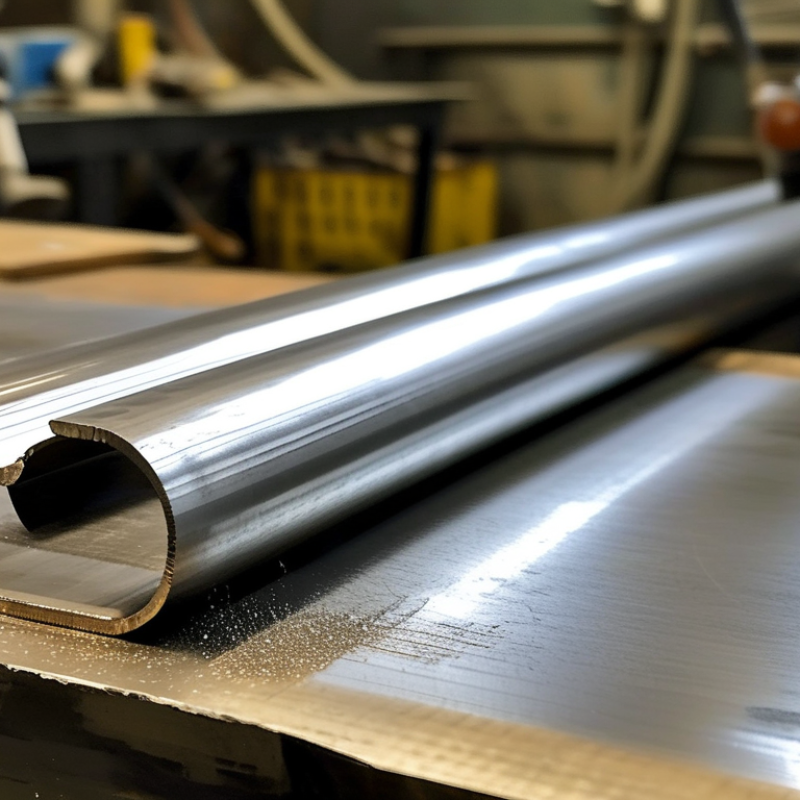
What Is Quality Stainless Steel Fabrication?
Definition and Core Principles of Quality Stainless Steel Fabrication
Quality stainless steel fabrication turns certified sheet, tube, or plate into a reliable working component. It combines accurate cutting, controlled forming, clean welding, and disciplined inspection. The World Stainless Association reported 58.4 million tonnes of stainless steel production in 2023. Such volume does not guarantee quality. Every heat number, thickness, weld, and finished dimension still needs evidence. Traceability is practical control, not paperwork decoration. A fabricator should match material certificates with specifications and record critical process conditions.
The core principle is corrosion resistance after fabrication. Heat tint, embedded iron, rough edges, and trapped contaminants can create weak spots. Proper shielding gas, dedicated tools, suitable pickling or passivation, and careful cleaning protect the passive surface. The NACE IMPACT Study estimated corrosion costs at about 3.4% of global gross domestic product. That figure explains why surface preparation deserves engineering attention. Dimensional checks matter too. A flange can look perfect yet leak when its face is uneven. Welding procedure qualification, visual inspection, and selected non-destructive testing add confidence. Inspection is not magic. Poor access or rushed records can hide defects.
Tips: Ask for material certificates, weld maps, inspection records, and surface-finish requirements before production. Photograph critical areas before packing. Keep stainless tools separate from carbon-steel tools. One overlooked scratch may become an expensive maintenance problem. Quality improves when teams review failures honestly, even when the process seemed acceptable.
| Quality Dimension | Definition and Purpose | Typical Quality Indicators | Core Fabrication Practices |
|---|---|---|---|
| Material Selection | Choosing a stainless steel grade that matches the required corrosion resistance, strength, temperature range, formability, and service environment. | Grade is identified on drawings and material certificates; chemical composition and mechanical properties comply with the specified material standard. | Common examples include 304 for general corrosion resistance, 316 or 316L for improved chloride resistance, and 430 for selected indoor or mildly corrosive applications. |
| Material Traceability | Maintaining a documented link between the finished component and the original stainless steel heat, coil, sheet, plate, tube, or bar. | Heat or batch number, material certificate, grade, thickness, and quantity can be verified throughout production. | Use controlled receiving records, material identification, segregated storage, and approved transfer methods that do not remove essential identification. |
| Design for Fabrication | The design allows stainless steel to be cut, formed, welded, inspected, cleaned, and serviced without creating avoidable defects. | Clear drawings, realistic bend radii, accessible welds, suitable joint details, defined surface requirements, and inspection points. | Account for springback, thermal distortion, bend direction, weld access, drainage, crevice prevention, and post-fabrication cleaning. |
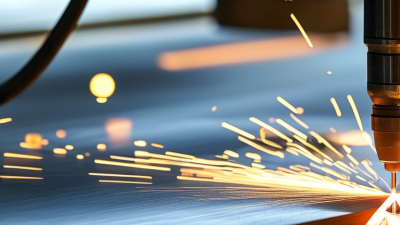
| Cutting and Edge Preparation | Producing accurate profiles and clean edges while limiting burrs, heat damage, and contamination. | Dimensions meet the drawing; edges are free from harmful burrs, excessive dross, sharp projections, and visible heat-affected damage. | Use suitable laser, plasma, waterjet, sawing, or shearing parameters; remove burrs and prepare weld edges according to the approved procedure. |
| Forming and Bending | Shaping stainless steel without cracking, excessive distortion, unacceptable marking, or loss of required dimensions. | Correct bend angle, radius, flatness, and profile; no cracks or severe tool marks in critical areas. | Use tooling reserved for stainless steel where practical, account for work hardening and springback, and verify formed dimensions with calibrated equipment. |
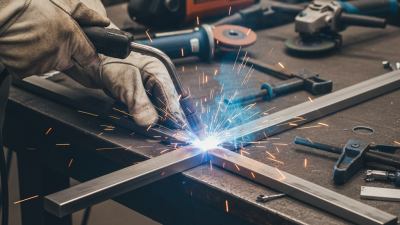
| Welding Quality | Creating sound, compatible joints that maintain structural performance and corrosion resistance. | Acceptable weld profile, penetration, alignment, cleanliness, and freedom from cracks, porosity, undercut, excessive spatter, and lack of fusion. | Apply qualified welding procedures, suitable filler metals, controlled heat input, appropriate shielding gas, and trained personnel. |
| Heat and Distortion Control | Managing heat during welding and thermal processing to reduce distortion and avoid harmful changes to the material surface or microstructure. | Parts remain within dimensional requirements; heat tint and distortion are controlled according to the specification. | Use balanced weld sequences, suitable fixturing, controlled interpass temperatures, intermittent welding where appropriate, and planned cooling methods. |
| Surface Finish | Providing the required appearance, roughness, cleanability, and corrosion performance for the intended application. | Specified finish is consistent and free from unacceptable scratches, embedded iron, grinding damage, discoloration, or uneven blending. | Use recognized finishes such as 2B, No. 4, or electropolished surfaces when specified; match grinding direction and verify roughness when a numerical Ra limit applies. |
| Cleaning and Passivation | Removing oils, scale, weld residues, and free iron, then supporting restoration of the stainless steel passive surface. | Surface is visibly clean, free of carbon-steel contamination, and meets the specified passivation or cleanliness requirement. | Use compatible degreasers, mechanical cleaning, pickling or passivation methods when required, thorough rinsing, and complete drying. |
| Dimensional Accuracy | Ensuring the fabricated part fits, assembles, and performs as designed. | Measured dimensions, angles, hole locations, flatness, squareness, and weldment alignment conform to the approved drawing and tolerances. | Perform in-process and final inspections using calibrated gauges, height gauges, micrometers, calipers, templates, or coordinate measurement equipment. |
| Inspection and Testing | Verifying that materials, welds, dimensions, surfaces, and functional requirements meet the agreed acceptance criteria. | Inspection records show pass or fail results against defined criteria rather than subjective visual approval alone. | Combine visual inspection with dimensional checks and, where required, non-destructive testing such as dye penetrant, radiographic, ultrasonic, or leak testing. |
| Contamination Prevention | Preventing carbon-steel particles, chloride residues, oils, and unsuitable tools from damaging stainless steel surfaces. | No visible rust staining, embedded ferrous particles, cross-contamination, or residue that could impair service performance. | Separate stainless steel from carbon steel, use dedicated or properly cleaned tools and abrasives, and protect surfaces during handling and storage. |
| Documentation and Release | Providing objective evidence that the completed fabrication conforms to contractual, technical, and regulatory requirements. | Complete records include drawings, material certificates, welding documents, inspection reports, nonconformance actions, and final release approval. | Use controlled procedures, inspection checkpoints, revision control, calibrated equipment records, and documented corrective actions. |