
China Top 10 Steel Fabrication Shops for Global Buyers

Choosing a steel fabrication shop in China can shape a project’s cost, schedule, and final quality. The right partner may handle structural frames, pressure vessels, platforms, or custom assemblies. Yet a polished website alone cannot show how a workshop manages tolerances, material traceability, or changing specifications. Buyers need evidence they can verify.

This guide introduces ten Chinese steel fabrication shops for global buyers, with practical comparison points rather than a single universal winner. It considers fabrication capabilities, production capacity, quality systems, export experience, and communication. Useful details include inspection records, welding procedures, sample projects, and clear answers about lead times. Ask how the shop controls dimensions from cutting through final assembly. Small gaps matter. A few millimeters can complicate installation on a crowded site.

Company information and capabilities can change, so treat each profile as a starting point for direct due diligence. Request current certificates and project references, then confirm that the proposed team can meet your drawings and inspection requirements. Price matters, of course. But low quotations may leave important assumptions unstated, while a higher price does not guarantee a better result. Compare the same scope, materials, finish, and delivery terms. No shortlist can replace a careful technical review; even this one has limits. A thoughtful selection process helps buyers identify a dependable partner and reduce avoidable surprises before production begins.
China Top 10 Steel Fabrication Shops for Global Buyers

China’s Steel Fabrication Industry and Its Role in Global Trade

China’s steel fabrication industry has become a practical link between raw materials, engineering design, and international construction. Its workshops produce structural frames, pressure-resistant components, storage systems, and custom assemblies for infrastructure and industrial projects. The strongest suppliers combine certified welding procedures, traceable steel grades, and documented inspection plans. These controls matter when fabricated sections cross oceans and arrive months after production. Quality travels.

For global buyers, the leading ten shops are better judged by evidence than by advertising. Useful evidence includes mill certificates, welder qualifications, dimensional reports, coating records, and independent inspection access. Experienced purchasers also review loading methods, export packaging, and communication during design changes. A workshop may meet a drawing yet miss the installation sequence. That gap matters. Clear approval points reduce rework, port delays, and costly site modifications.

China’s role in global trade also reflects scale. Large supplier networks can source plate, profiles, fasteners, machining, and surface treatment within one production region. This may shorten lead times, but scale does not guarantee consistency. Buyers still need realistic tolerances, sample checks, and written acceptance criteria. Small documentation errors can reveal larger process weaknesses. Not every issue is dramatic. Reliable cooperation grows through factory audits, responsive engineers, and honest reporting of limitations. Some schedules will slip.


How to Assess Steel Fabrication Shops for International Projects

China Top 10 Steel Fabrication Shops for Global Buyers

How to Assess Steel Fabrication Shops for International Projects

Choosing a steel fabrication shop takes more than comparing prices and production capacity. Ask how the shop controls cutting, welding, fit-up, and dimensional checks. Request sample inspection records and traceability documents for steel plates and components. A useful shop can explain how it handles drawing revisions and reports a defect before it becomes a shipment problem. Look for specifics, not polished promises.

For international projects, confirm that the supplier understands your drawings, inspection criteria, packing needs, and delivery schedule. Review recent examples of similar work, then verify them through references where possible. During a remote audit, ask to see the production floor, material labels, weld inspection process, and finished goods ready for packing. Small details matter. Protective wrapping, clear part marks, and moisture control can prevent avoidable damage during transit.

A low quotation may leave important work unclear. Check what is included, such as inspection, surface preparation, documentation, and export packing. Agree on measurable acceptance criteria before production starts, and set a process for handling nonconforming parts. Even careful planning cannot remove every risk. I would still allow time for a trial order or early-stage inspection; it may feel cautious, but late surprises cost more.

Profiles of Ten Leading Chinese Steel Fabrication Shops

China’s steel fabrication sector includes shops with very different strengths. One coastal workshop focuses on heavy plate cutting and welded frames for port facilities. Another handles structural beams, with drilled connections and trial assemblies checked before shipment. A third specializes in pressure-vessel shells, where weld records and inspection plans matter as much as output speed. A fourth produces modular pipe racks for industrial sites. Its crews often work from tight dimensional drawings. A fifth shop makes bridge components and uses jigs to keep long girders aligned. Small details matter.

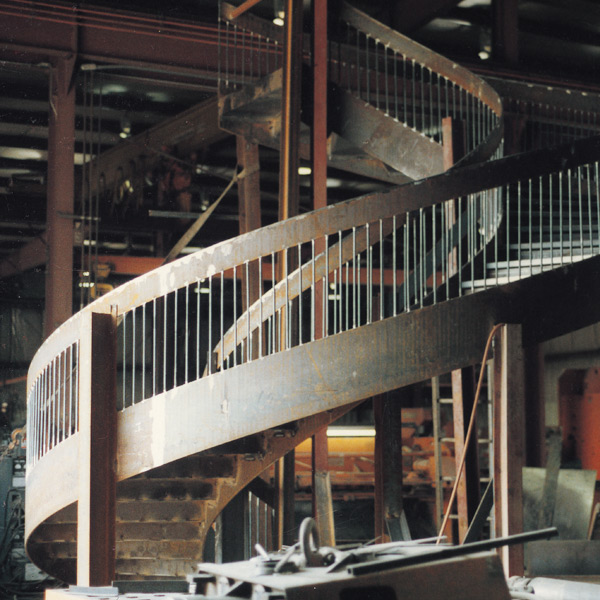
Other leading shops serve narrower needs. A sixth supplies stainless-steel process skids, separating material grades to prevent mix-ups. A seventh makes mining equipment housings built for abrasion and repeated repair. An eighth fabricates warehouse frames, prioritizing consistent bolt-hole spacing across large batches. A ninth produces custom stairways and handrails, where fit-up affects installation time. A tenth combines laser cutting, bending, and welding for short-run engineered parts. These profiles are not rankings; a shop suited to one project may be a poor fit for another. Buyers can review sample drawings, material traceability, inspection records, and packing methods before committing. Ask how changes are handled. That answer can reveal more than a polished brochure, though even careful checks cannot remove every project risk.

Comparing Capabilities, Quality Systems, and Export Experience

A useful comparison of China’s top steel fabrication shops starts with their capabilities, not their catalogue images. Ask whether a shop can handle your required plate thickness, weld types, and dimensional tolerances. A sample drawing review can reveal more than a general claim of “full-service” production. Check how cutting, forming, welding, and finishing are managed across one project. Small process gaps matter. A misaligned flange or inconsistent coating thickness can delay installation overseas.

Quality systems deserve closer inspection. Request inspection plans, material traceability records, and sample reports for dimensional checks and weld examination. Confirm how nonconformities are recorded and corrected, rather than relying only on certificates. Certifications help, but they do not prove that every order receives consistent attention. Ask who approves drawings and how revisions reach the shop floor. The answer should be specific. It may still be imperfect.

Export experience is practical, not just a list of destinations. Compare packaging methods, corrosion protection, loading plans, and the shop’s ability to prepare clear shipping documents. Ask for examples of how oversized components were protected during long transit. Lead-time estimates should include inspection, packing, and port handling, not only fabrication hours. A capable supplier can explain these assumptions and flag uncertainties early. If answers stay vague, build in time for a closer review.

Key Considerations for Selecting a Chinese Fabrication Partner

Selecting a Chinese steel fabrication partner requires more than comparing prices. Global buyers should examine project experience, engineering capability, and production control. Ask for recent examples involving similar steel grades, plate thicknesses, weld types, and delivery volumes. Shop-floor evidence matters.

Request material certificates, welding procedure qualifications, welder records, and inspection reports. Confirm how each heat number remains traceable from incoming steel to final shipment. A reliable fabricator should explain dimensional tolerances, surface preparation, coating thickness, and non-destructive testing in clear language. Independent inspections can verify critical stages, especially before painting and packing.

Communication is equally practical. Test how quickly the team answers technical questions and handles drawing revisions. A capable partner should identify conflicts instead of quietly guessing. Review factory capacity, equipment maintenance, subcontracting controls, and worker safety practices. Visit the facility when possible. Photos are useful, but limited.

A checklist cannot reveal every workshop habit. Request a small trial order when risk is high. It may add time, yet it can expose weak documentation, poor fit-up, or packaging problems early. Clarify payment milestones, delivery terms, packing methods, and responsibility for rework in the contract. Do not select the lowest quotation automatically. An attractive price can hide thin inspection coverage or unrealistic production schedules. Good judgment often comes from comparing evidence, not promises.

China Top 10 Steel Fabrication Shops for Global Buyers - Key Considerations for Selecting a Chinese Fabrication Partner

The rows below are ten practical supplier-evaluation criteria, not a ranked list of named companies. Use them to compare shortlisted fabrication shops against your project requirements.

No. Evaluation dimension What buyers should verify Useful documentation or reference Particularly important for
1 Project and product fit Confirm the shop regularly handles the required product type, such as building frames, bridges, industrial structures, tanks, or equipment components. Check maximum part dimensions, weight, and production capacity against the drawings. Relevant project case studies, equipment list, facility layout, and a written capacity statement for the proposed scope. Large, specialized, or repeat orders
2 Welding quality controls Review welding procedures, welder qualifications, material traceability, inspection stages, and nonconformance handling. ISO 3834 specifies quality requirements for fusion welding of metallic materials. Applicable ISO 3834 certification, approved welding procedure specifications and records, welder qualification records, and inspection and test plans. Load-bearing and safety-critical weldments
3 Welder and weld acceptance requirements Match qualifications and weld acceptance criteria to the governing project code. ISO 9606-1 covers qualification testing of welders for fusion welding of steels; ISO 5817 provides quality levels for imperfections in fusion-welded joints. Welder qualification certificates, procedure qualification records where required, and a project-specific weld inspection plan defining the applicable acceptance level. Projects with specified welding codes or inspection levels
4 Structural execution and conformity For projects governed by European requirements, establish whether EN 1090 applies. EN 1090-1 addresses conformity assessment of structural steel and aluminium components; execution requirements for steel structures are covered by EN 1090-2. Applicable factory production control documentation, conformity documents where required, and confirmation of the project’s execution class and inspection requirements. Structural components supplied to European markets
5 Material grade and traceability Confirm the specified steel grade, product form, thickness, and applicable material standard. For example, ASTM A36 and ASTM A572 are structural steel specifications, while EN 10025 covers hot-rolled structural steel products. Material certificates, heat and batch identification records, incoming inspection reports, and traceability from raw material to finished parts. EN 10204 Type 3.1 is one commonly specified inspection document. Projects requiring certified materials or full traceability
6 Dimensional control and inspection Check how the shop controls cutting, hole positions, fit-up, straightness, squareness, and final assembly dimensions. Agree on tolerances, inspection points, and responsibilities before production. Inspection and test plan, calibrated measuring-equipment records, dimensional inspection reports, and agreed hold or witness points. Precision assemblies and components for site installation
7 Non-destructive testing capability Define which welds require visual testing or other NDT methods, such as magnetic particle, penetrant, ultrasonic, or radiographic testing. The method and extent should follow the project specification and applicable code. NDT procedures, personnel qualification records under the specified scheme, inspection reports, and records of repairs and re-inspection. Critical welds and code-regulated structures
8 Surface preparation and corrosion protection Specify the required surface preparation, coating system, dry-film thickness, inspection method, and exposure environment. ISO 12944 addresses corrosion protection of steel structures by protective paint systems; ISO 1461 covers hot-dip galvanized coatings on fabricated iron and steel articles. Coating or galvanizing specification, surface preparation records, coating inspection reports, and relevant batch or inspection certificates. Outdoor, marine, and industrial environments
9 Quality system and corrective action Assess whether the shop uses documented controls for drawing revisions, purchasing, production, inspection, corrective action, and record retention. ISO 9001 specifies requirements for a quality management system. Valid certificate and scope where certification is required, audit findings or summaries, sample quality records, and a documented corrective-action process. Multi-stage projects and long-term supply programs
10 Export packing and delivery planning Review packing protection, corrosion prevention, marking, lifting points, load sequence, shipping dimensions, and responsibility for export documentation. Confirm delivery terms and shipment milestones in the contract. Packing plan, package and weight list, shipping marks, inspection-release process, production schedule, and agreed export-document checklist. Oversized, weather-sensitive, or time-critical shipments

Standards and certifications should be verified against the project specification, destination-market rules, certificate scope, and current edition. A certificate alone does not establish that a supplier is suitable for a particular order.

Request a Quote