
China’s steel fabrication industry is changing quickly, driven by advanced machinery, large production capacity, and demanding international projects. This guide examines ten leading Chinese suppliers serving construction, infrastructure, energy, and industrial markets. It looks beyond factory size.
Supplier quality depends on more than tonnage. Certification matters. So do welding procedures, material traceability, dimensional control, and surface protection. A reliable fabricator can show mill certificates, inspection records, approved drawings, and photographs from real projects. Some companies operate automated beam lines, robotic welding cells, and enclosed blasting rooms. Others remain stronger in custom, low-volume fabrication. That difference can affect cost, schedule, and risk.
Andrew Carnegie, one of the most influential figures in the steel industry, once said, “As I grow older, I pay less attention to what men say. I just watch what they do.” His point remains useful when comparing suppliers. Claims of “top quality” are easy to print. Consistent inspection results are harder to fake.
This ranking is not absolute. A supplier that excels at bridge girders may not suit modular buildings or offshore structures. Local reviews, independent inspections, and sample documentation should still guide the final decision. Delivery delays can happen. Coating systems can disappoint. Even strong suppliers have weak projects. Readers should treat this list as a practical starting point, not a final verdict. The best choice combines technical capability, transparent communication, verified experience, and dependable after-sales support.
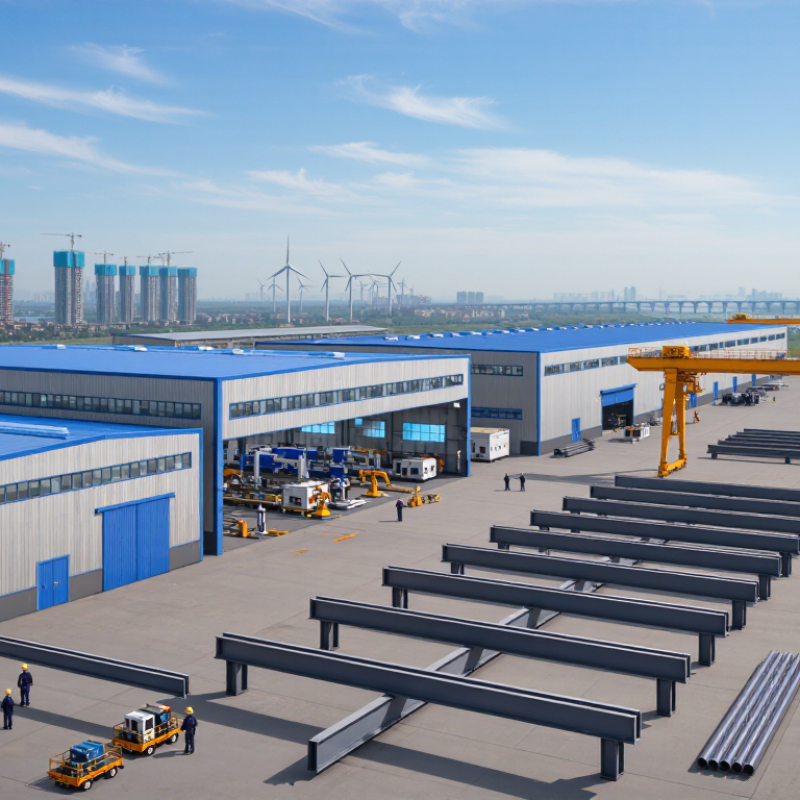
China’s steel fabrication industry covers the conversion of steel plate, sections, bars, and coils into usable structures or components. Its scope begins with technical design and material selection, then moves through cutting, bending, drilling, welding, machining, and surface treatment. It also includes inspection, packing, and project delivery when these services are managed by the fabricator. In practice, a workshop may produce bridge parts, factory frames, storage tanks, equipment bases, or custom assemblies.
Professional evaluation depends on more than production volume. Engineers review mill certificates, welding procedures, welder qualifications, dimensional records, and non-destructive testing reports. They also check equipment capacity, traceability, corrosion protection, and quality systems. A reliable supplier can explain how a 20-millimeter plate is stored, cut, welded, inspected, and repaired. That explanation is more useful than polished photographs. Site experience matters.
China’s supplier landscape ranges from small job shops to highly automated plants serving international projects. Some focus on heavy structural members, while others handle thin sheet assemblies or precise industrial parts. The industry therefore has no single operating model. Standards, climate, transport limits, and installation methods can change the required process. A careful definition must include these differences. It should also admit uncertainty: drawings may be incomplete, tolerances may conflict, and production records may contain gaps. Strong technical communication can expose those weaknesses before steel reaches the site.
China Top 10 Steel Fabrication Industry Suppliers
Ranking the top ten steel fabrication suppliers requires more than comparing factory size or website claims. Practical evaluation should begin with verified experience in structural steel, pressure-free industrial components, and customized assemblies. Review completed projects, weld maps, inspection records, and client references. These details reveal how a supplier performs beyond sales presentations.
Professional capability also matters. Assess welding qualifications, material traceability, dimensional control, surface treatment, and non-destructive testing procedures. Reliable suppliers should provide clear quality plans and inspection checkpoints. Production capacity must match the project schedule, not merely appear impressive. Check equipment condition, worker training, engineering support, and subcontractor control. Delivery history deserves careful attention because a low quotation can hide costly delays. Certifications support authority, but certificates alone cannot prove consistent performance. A ranking is never perfect. Site audits and sample evaluations may change the result.
Tips: Request a recent inspection report, not a template. Compare drawings, tolerances, packing methods, and corrective-action records. Ask how the supplier handles a failed weld or late material. The answer shows responsibility. Consider communication speed too; unclear replies often create technical errors later. Payment terms, warranty limits, and document control should be reviewed before selection. Cost remains important, but the cheapest option may carry greater rework risk. Leave room for professional judgment. Data can guide the ranking, yet firsthand verification makes it more reliable.
The ten suppliers below are profiled by measurable capabilities, not advertising claims. Supplier 1 focuses on structural frames for warehouses and logistics centers. Its workshops typically use CNC cutting, robotic welding, and calibrated measuring tools. Supplier 2 serves bridge and industrial projects, with experience in thick-plate fabrication and controlled heat treatment. Supplier 3 produces steel towers, platforms, and access systems. Its engineers pay close attention to load paths, bolt alignment, and protective coatings.
Supplier 4 specializes in stainless steel assemblies for food-processing facilities. Clean welds matter there. Supplier 5 handles pressure-related equipment and follows documented inspection procedures, including ultrasonic and visual testing. Supplier 6 provides modular steel sections for commercial buildings. Its advantage is repeatable production, although transport planning can become difficult for oversized parts. Supplier 7 supports energy infrastructure with pipe racks, maintenance platforms, and heavy support frames. Site measurements are essential. Small errors can create expensive rework.
Supplier 8 combines design assistance with fabrication for custom machinery bases. Supplier 9 focuses on galvanized components used outdoors, where surface preparation strongly affects service life. Supplier 10 manages large export orders and coordinates drawings, packing, and shipment documents. These profiles should still be checked against current certifications, production capacity, and recent project records. Factory photographs can help, but they are not enough. I have found that response time and drawing discipline often reveal more than polished presentations. Some suppliers also underestimate packaging risks, especially around painted edges and machined surfaces. A careful buyer should request sample inspection reports, material traceability records, and a clear correction process before placing a major order.
China Top 10 Steel Fabrication Industry Suppliers
The top ten steel fabrication suppliers serve construction, energy, transportation, and industrial equipment projects. Their product ranges commonly include structural frames, steel platforms, tanks, pipe supports, brackets, and custom assemblies. Some workshops handle small precision parts. Others manufacture oversized sections for warehouses and processing plants. Product quality depends on more than steel grade. Plate traceability, weld preparation, dimensional control, and surface protection also matter. A strong supplier provides material certificates and clear inspection records.
Their services usually cover design review, shop drawings, cutting, bending, drilling, machining, welding, blasting, painting, galvanizing, and export packing. Experienced teams can identify clashes before fabrication begins. This saves material and reduces costly site changes. It helps when engineers join discussions early. Still, communication can fail across drawings, languages, and time zones. That weakness deserves attention.
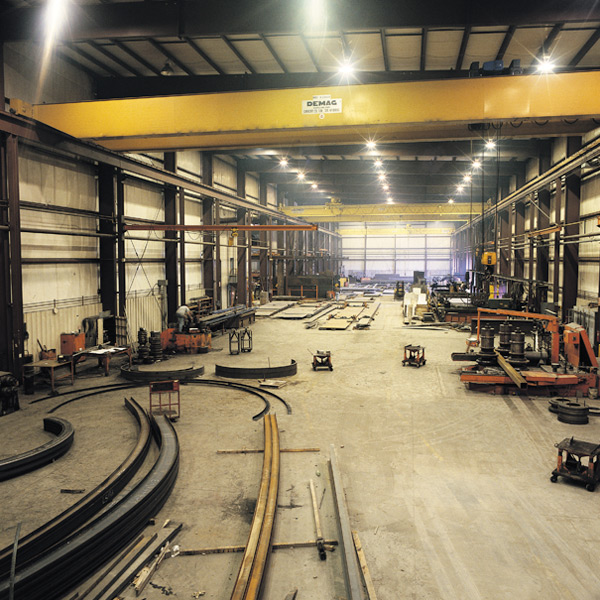
Manufacturing capabilities vary widely among suppliers. CNC plasma and laser machines support repeatable cutting. Robotic welding improves consistency on large production runs. Skilled fabricators remain essential for complex joints and unusual repairs. Large factories may offer cranes, testing areas, and controlled painting rooms. Smaller facilities can sometimes provide closer project attention. Ask about weld procedures, non-destructive testing, tolerances, production capacity, and installation support. Factory photographs are useful, but live audits reveal more. A clean floor does not always prove reliable delivery. Scrutinize schedules, corrective-action records, packaging methods, and previous project evidence before placing an order.
Steel supply-base context by crude steel production in 2024. Country-level production data is used to compare the industrial scale supporting steel fabrication products, services, and manufacturing capabilities.
The chart presents the ten largest crude steel-producing markets in 2024, measured in million tonnes. Data source: World Steel Association, 2024 crude steel production statistics.
China Top 10 Steel Fabrication Industry Suppliers
China’s steel fabrication market is large, competitive, and increasingly quality-driven. The World Steel Association reported 1.89 billion tonnes of global crude steel production in 2023. China produced about 1.02 billion tonnes, representing more than half of global output. This scale supports strong supplier capacity, but volume alone does not prove fabrication quality.
Industry standards matter during supplier evaluation. ISO 9001 supports documented quality control, while ISO 3834 focuses on welding quality requirements. EN 1090 may apply to structural steelwork sold into European markets. Buyers should request material certificates, welding procedure qualifications, welder approvals, and non-destructive testing records. Traceability should reach the heat number stamped near a plate edge. Small details reveal serious control.
Market pressure is also changing buyer priorities. The OECD Steel Outlook 2024 highlights continuing global overcapacity risks and unstable trade conditions. Therefore, suppliers must manage price, delivery, compliance, and production flexibility together. A factory visit can reveal more than a polished presentation. Check beam storage, cutting accuracy, coating thickness, and packed components. A low quotation may hide weak inspection or unclear logistics. I would not treat certificates as complete proof. Independent inspections remain useful, especially for complex frames, pressure-related structures, or tight installation tolerances. Mistakes still happen. The best selection process leaves room to question impressive claims.
| Rank | Anonymized Supplier Profile | Typical Production Base | Core Fabrication Scope | Common Material Grades | Relevant Industry Standards | Current Market Trend | Key Buyer Considerations | Best-Fit Project Type |
|---|---|---|---|---|---|---|---|---|
| 1 | Large integrated structural steel fabricator | East or Central China | Heavy structures, high-rise frames, industrial buildings, welded assemblies | Q235B, Q355B, S355, ASTM A36, ASTM A572 Grade 50 | GB/T 700, GB/T 1591, EN 10025, AWS D1.1, ISO 3834 | Higher demand for traceability, digital production control, and low-carbon steel options | Verify welding qualifications, mill certificates, non-destructive testing, load capacity, and export packaging | Large commercial and infrastructure projects |
| 2 | Prefabricated steel building specialist | Coastal manufacturing cluster | Portal frames, warehouses, workshops, modular building components | Q235B, Q355B, S275, S355, galvanized sheet products | GB/T 700, GB/T 1591, EN 1090-2, ISO 9001, ISO 3834 | Shorter construction schedules and factory-prefabricated, bolt-connected systems | Compare connection details, coating thickness, erection drawings, tolerances, and wind-load design responsibility | Warehouses, logistics centers, and agricultural buildings |
| 3 | Bridge and infrastructure steel contractor | Northern or Central China | Bridge girders, box sections, trusses, pedestrian bridges, transport structures | Q355D, Q420, S355, weathering and low-temperature grades where specified | GB/T 1591, EN 1090-2, EN 1993, AWS D1.5, ISO 3834 | Infrastructure spending emphasizes durability, lifecycle cost, and inspection documentation | Request fatigue calculations, weld procedure records, dimensional inspection, coating system data, and site-installation plans | Bridges, rail facilities, and public infrastructure |
| 4 | Industrial equipment steel fabricator | Eastern or Southern China | Machine frames, platforms, skids, hoppers, chutes, and support structures | Q235B, Q355B, S355, carbon steel plate, stainless steel when specified | GB/T 700, GB/T 1591, ISO 2768, ISO 3834, AWS D1.1 | Customers increasingly require CNC cutting, 3D model coordination, and tighter fabrication tolerances | Check machining accuracy, interface control, fit-up trials, surface treatment, and spare-part support | Mining, cement, energy, and process plants |
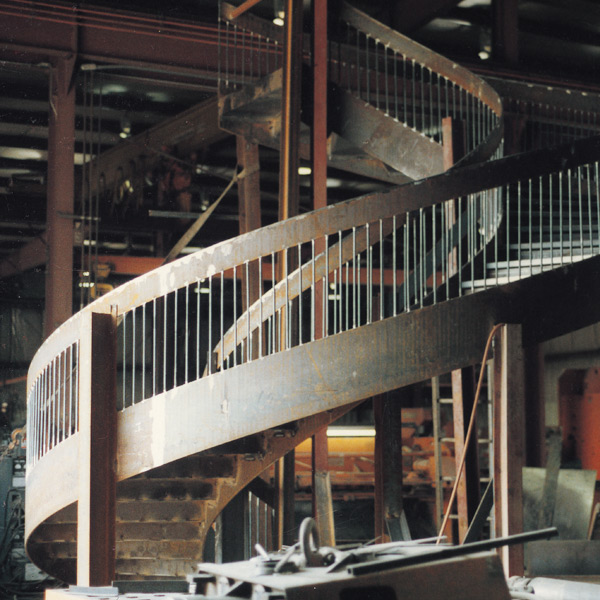
| 5 | Architectural and complex-profile fabricator | Major metropolitan manufacturing zone | Curved members, space frames, facade supports, stairs, and bespoke structures | Q235B, Q355B, S355, stainless and weather-resistant grades as designed | EN 1090-2, AWS D1.1, ISO 3834, ISO 12944 for protective coatings | Growing use of BIM coordination, parametric modeling, and digitally controlled cutting | Assess sample quality, visual finish, mock-up capability, tolerance management, and coordination with facade trades | Public venues, airports, cultural buildings, and premium commercial projects |
| 6 | Renewable-energy support-structure fabricator | Northern, Eastern, or Southern China | Solar mounting structures, wind-turbine components, access platforms, and towers | Q235B, Q355B, S355, galvanized structural sections | GB/T 700, GB/T 1591, ISO 1461, ISO 12944, relevant project design codes | Renewable projects prioritize corrosion resistance, repeatability, and efficient installation | Confirm galvanizing repair procedures, bolt compatibility, corrosion category, packing method, and field-adjustment allowances | Solar farms, wind projects, and utility infrastructure |
| 7 | Marine and offshore steel fabricator | Coastal shipbuilding region | Marine platforms, ladders, walkways, skids, pipe supports, and offshore modules | Marine structural grades, Q355D, S355, and corrosion-resistant materials where specified | ISO 3834, AWS D1.1, EN 1090-2, ISO 12944, project marine specifications | Offshore buyers focus on corrosion protection, welding integrity, and complete material traceability | Review coating qualification, salt-spray or inspection requirements, weld mapping, lifting points, and marine logistics experience | Ports, offshore facilities, shipyards, and coastal plants |
| 8 | Pressure-equipment support fabricator | Industrial chemical or energy cluster | Vessel supports, pipe racks, maintenance platforms, frames, and non-pressure assemblies | Carbon structural steel, low-alloy steel, stainless steel when required by design | GB/T 700, GB/T 1591, ASME project requirements where applicable, AWS D1.1, ISO 3834 | Process industries demand stronger quality systems, safety documentation, and controlled subcontracting | Clarify pressure-boundary exclusions, welding personnel qualifications, inspection hold points, and hazardous-area requirements | Chemical, petrochemical, and power plants |
| 9 | Export-oriented contract fabricator | Coastal export manufacturing zone | Custom frames, brackets, platforms, assemblies, and small-to-medium batch production | Q235B, Q355B, S275, S355, ASTM A36, ASTM A572 Grade 50 | ISO 9001, ISO 3834, AWS D1.1, EN 1090-2, destination-country requirements | Buyers seek diversified sourcing, reliable documentation, and flexible low-to-medium volume production | Evaluate communication, drawing review, Incoterms, export records, packaging, and independent pre-shipment inspection | OEM supply and international construction packages |
| 10 | Cost-efficient regional fabricator | Inland or second-tier industrial city | Standard beams, columns, brackets, handrails, stairs, and light structural work | Q235B, Q355B, common hollow sections, angles, channels, and plates | Applicable GB/T standards, ISO 9001 where certified, project welding and coating specifications | Price competition remains important, but buyers increasingly screen for quality consistency and delivery reliability | Use staged inspections, approve first articles, confirm steel origin, define acceptance criteria, and avoid unclear scope changes | Local construction and straightforward fabricated components |